
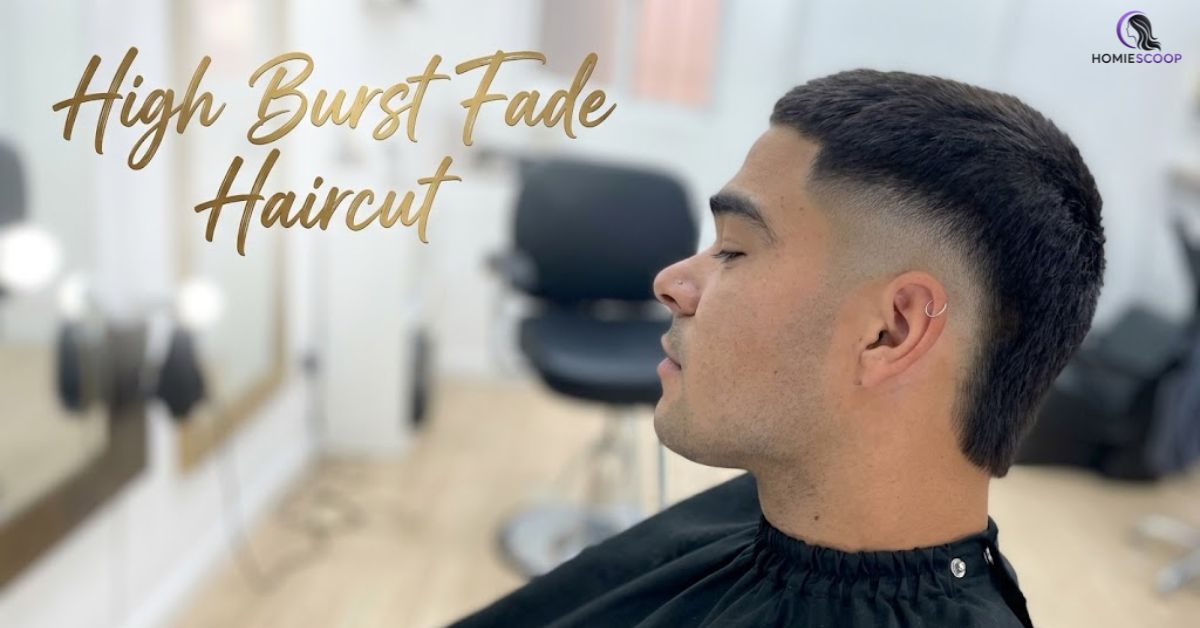
A High Burst Fade Haircut is defined by a curved fade that rises higher around the sides while preserving more length through the crown and top. The result is a strong contrast that can be adapted to curly, straight, wavy, coily, or textured hair.
The appeal comes from hairstyle customization. A barber can change the fade height, fade transition, top length, hair shape, and finish to create anything from an office-appropriate haircut to a bold street-style look. That flexibility makes the cut relevant among 2026 hairstyles and current hair trends.
Whether you want a mullet, textured crop, buzz cut, pompadour, faux hawk, quiff, or another modern haircut, the right fade placement can completely change the overall appearance. Your face shape, hair type, hair texture, hair density, and personal style should all influence the final choice.
What Is a High Burst Fade Haircut?
A High Burst Fade Haircut keeps the fade concentrated around the ear while pushing the fade height higher than a traditional low or mid version. Instead of fading evenly across the back, the side fade follows a curved pattern around the ear.
That curved fade creates a distinctive silhouette. The fade sides become progressively shorter toward the ear, while the top and crown retain enough hair length to support different haircut styles.
Who It Suits
This modern haircut can work for many men because the barber can adjust the fade area according to facial structure and hair type. Curly hair can remain defined, straight hair can be styled upward, and textured hair can be shaped into a crop, quiff, or faux hawk.
Men with full hair can use the fade to remove excess bulk from the sides. Men with shorter hair can choose a tighter haircut, while someone with long hair can preserve more length on top or at the back.
Why It’s Trending
Several qualities explain its popularity among modern hairstyles:
- The higher fade height creates a bold look without removing the top.
- The curved fade gives the haircut a recognizable shape.
- It works with both natural texture and carefully styled hair.
- A barber can customize the fade placement for different face shapes.
- The style can be adapted for street style, casual wear, or an office-appropriate setting.
- It works with short hair, long hair, curly hair, and textured hair.
- The fade technique creates strong visual separation between the sides and top.
- Different hair length choices produce very different results.
- The cut can be combined with facial hair, designs, or a clean hairline.
- It remains easy to customize as personal style changes.
Read More: 30 Long Hair Burst Fade Styles Every Man Should Try in 2026
Difference Between Low, Mid, and High Burst Fade
A low fade haircut keeps the fade closer to the ear and usually creates a softer finish. A mid fade haircut places the fade transition higher, giving a balanced appearance. A higher fade pushes the fade area farther upward and creates greater contrast.
The difference is mainly fade height, but the choice also affects facial proportions, styling options, maintenance, and overall appearance. A low fade can feel conservative, while a high fade can create a more distinctive modern look.
40 Fresh High Burst Fade Haircuts for Men in 2026
The following styles cover classic, textured, curly, professional, street-style, and highly customized options. Each haircut uses the same basic burst fade concept while changing the top, crown, hair length, or styling direction.
1. Classic High Burst Fade
The classic version keeps the top controlled and the sides clean. A barber uses careful clipper work to create a smooth fade transition around the ear without making the haircut overly dramatic.
This is a dependable choice for men who want a clean-cut look. Moderate hair volume on top makes it adaptable to both casual clothing and professional settings.
Styling Tip: Use a small amount of matte product to maintain separation without creating excessive shine.
2. Modern High Burst Fade
A modern variation adds visible texture and movement through the top. The fade sides remain tight while the textured top provides contrast and a contemporary haircut shape.
This style fits current hair trends particularly well because it can be changed from messy to polished. It is also easy for a barber to customize around individual hair texture.
Styling Tip: Work texture powder or lightweight clay through dry hair for natural volume.
3. High Burst Fade Mullet
A mullet leaves additional length through the back while the sides receive a strong burst fade. The result combines a retro silhouette with a modern fade technique.
A textured mullet works especially well when the natural texture continues from the crown into the back. The barber should carefully connect the fade area to the longer hair so the shape remains intentional.
Styling Tip: Use a lightweight cream to define the back without making it stiff.
4. High Burst Fade Curly Hair
Curly hair gives the top natural volume and movement while the faded sides create definition. The curved fade around the ear makes the curls appear fuller by removing unnecessary side bulk.
The best result comes from respecting the natural curl pattern instead of cutting the top excessively short. Hair density and curl size should determine the final hair length.
Styling Tip: Apply curl cream to damp hair and allow the natural texture to form.
5. Wavy High Burst Fade
Wavy hair gives this fade a softer top while the side fade keeps the silhouette controlled. The combination is particularly useful for men who want texture without a highly structured hairstyle.
The barber can leave medium hair length on top so the waves have enough room to move. This creates an adaptable modern style that works well for everyday wear.
Styling Tip: Use sea salt spray sparingly to emphasize natural waves.
6. High Burst Fade Straight Hair
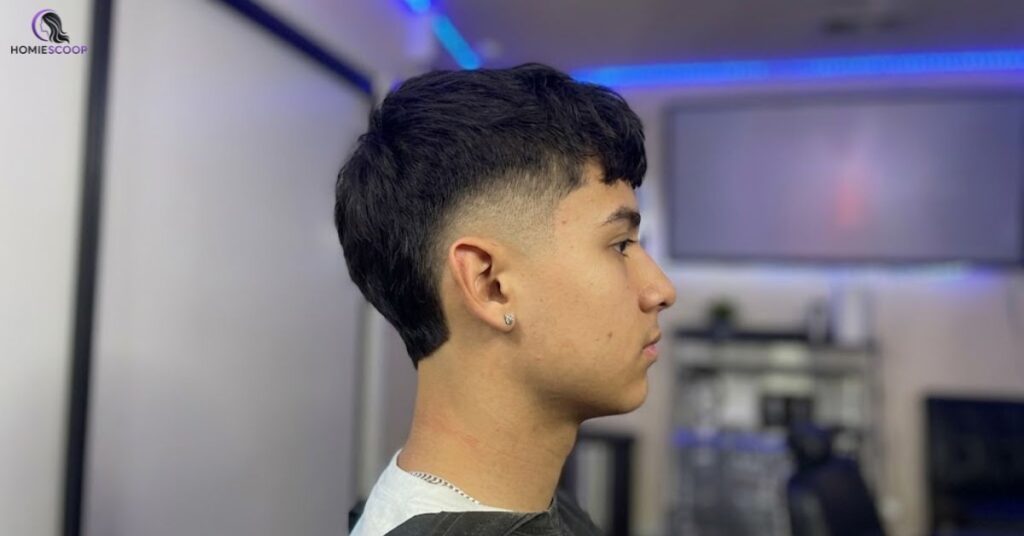
Straight hair makes the fade transition especially visible because the top usually has a clean outline. A longer top can be swept backward, parted, lifted, or left textured.
This version is a strong choice for someone who wants a polished appearance. Straight hair also makes clipper work and hairline details highly noticeable, so precise execution matters.
Styling Tip: Blow-dry the top in the direction you want before adding a small amount of styling cream.
7. Textured High Burst Fade
Textured hair provides separation and movement across the top while the fade sides remain compact. The contrast makes the haircut appear fuller without requiring excessive length.
A textured hairstyle is especially useful when you prefer a relaxed finish. The barber can use point cutting or other haircut techniques to create movement through the top.
Styling Tip: Apply matte clay between the fingers before working it through the top.
8. Messy High Burst Fade
A messy finish gives the haircut a relaxed personality while the curved fade keeps the sides looking intentional. It is a practical option for men who do not want a perfectly controlled top.
This modern hairstyle works best when the top has enough hair length to create irregular movement. Natural texture can make the result look effortless rather than unkempt.
Styling Tip: Finger-style a small amount of lightweight wax through the top.
9. High Burst Fade with Beard
A beard can extend the visual line created by the side fade and add definition around the jaw. The barber can create a gradual connection between the sideburn area and facial hair.
This customized hairstyle suits men who want a more mature appearance. The beard length should complement the hair shape rather than compete with it.
Styling Tip: Keep both the fade and beard edges regularly trimmed for a clean transition.
10. High Burst Fade with Side Part
A side part introduces structure to an otherwise modern fade. The top can remain medium length while the sides follow the curved burst pattern.
This is one of the more office-friendly choices because the side part creates a professional look. A subtle fade transition can also make the haircut less aggressive.
Styling Tip: Use a light pomade and comb the top into the desired part.
11. High Burst Fade Pompadour
The pompadour relies on substantial hair volume through the front and crown. Pairing that height with a tight burst fade produces a dramatic contrast.
This hairstyle works particularly well for straight or thick hair. The barber should preserve sufficient hair length on top for the pompadour structure.
Styling Tip: Blow-dry upward and backward before applying pomade or volumizing cream.
12. High Burst Fade Comb Over
A comb over creates a polished top while the fade sides provide contemporary contrast. It is a practical haircut for someone who wants traditional styling with a modern edge.
The top can remain longer than the sides, giving the barber room to adjust the shape according to facial structure. It can also be converted into a more casual textured hairstyle.
Styling Tip: Comb the top into place while the hair is slightly damp.
13. High Burst Fade Slick Back
A slick-back style moves the hair away from the face and exposes the fade placement clearly. The strong contrast makes the haircut look confident and structured.
This works particularly well with medium or long hair on top. Men with naturally straight or thick hair may find the styling process easier.
Styling Tip: Use a water-based pomade for controlled shine and flexible hold.
14. High Burst Fade Fringe
A fringe brings the top forward while the curved fade keeps the sides clean. The result has a youthful appearance and can be adapted for straight, wavy, or textured hair.
A shorter fringe creates a cleaner finish, while a textured fringe produces a more contemporary street-style look. Face shape should guide the amount of forehead coverage.
Styling Tip: Use matte paste to separate the fringe without making it rigid.
15. High Burst Fade Crop Top
A cropped top is short enough to be easy to manage but long enough to show texture. The fade creates a crisp outline around the sides and ear.
This modern haircut is suitable for men who prefer low-maintenance style. It can also work as an office-appropriate option when the top remains neat.
Styling Tip: Rub a small amount of texture clay into the top and push the hair forward.
16. High Burst Fade Mohawk
A mohawk leaves a stronger strip of hair through the center while the sides become much shorter. The burst shape makes the transition around the ear particularly noticeable.
This is an edgy hairstyle rather than a conservative option. It suits men who want a statement haircut and have enough hair density to support the central section.
Styling Tip: Use a firm styling product to lift the center without flattening the sides.
17. High Burst Fade Faux Hawk
A faux hawk provides the visual direction of a mohawk without requiring the same level of commitment. The top is pushed toward the center while the fade area creates contrast.
It is a versatile hairstyle for men who want an edgy finish that can still be restyled. Textured hair often makes the central shape easier to create.
Styling Tip: Direct the top inward with your fingers while applying a medium-hold product.
18. High Burst Fade with Design
A fade design can turn a conventional cut into a highly customized hairstyle. Lines, curves, or simple geometric details can be shaved into the fade area.
The design should complement the natural shape of the head rather than overwhelm it. A skilled barber can place the design where it follows the fade transition.
Styling Tip: Choose a simple design first if you want easier maintenance as it grows out.
19. High Burst Fade Buzz Cut
A buzz cut keeps the top extremely short, making the curved fade the primary feature. The result is clean, masculine, and practical.
This option works well for men who want minimal styling. Because there is little hair length to distract from the fade, precise barbering is especially important.
Styling Tip: Keep the hairline and side edges clean between full appointments.
20. High Burst Fade Undercut
An undercut creates a noticeable separation between the longer top and shorter sides. The burst fade adds curvature around the ear to make the side profile more distinctive.
This haircut can support a slick back, textured top, or messy finish. It is best suited to men comfortable with a stronger contrast.
Styling Tip: Use lightweight cream when you want the longer top to remain flexible.
21. High Burst Fade for Thick Hair
Thick hair can benefit from removing excess weight around the sides while retaining fullness through the top. This helps the overall hair shape look more controlled.
Hair density determines how much bulk the barber needs to remove. Keeping some natural texture can prevent the top from looking overly flat.
Styling Tip: Use matte clay to control volume while preserving natural movement.
22. High Burst Fade for Thin Hair
Thin hair can use contrast strategically. Shorter faded sides can make the top appear relatively fuller, particularly when the top is styled with texture.
The barber should avoid removing too much from the top. A moderate hair length and lightweight product can create more visual density.
Styling Tip: Apply texture powder at the roots for lift without adding heavy buildup.
23. High Burst Fade Afro Style
Afro-textured hair can create a striking top shape while the burst fade defines the sides. The curved fade around the ear adds structure without requiring the natural texture to be flattened.
Twists, sponge curls, waves, and other textured finishes can all be incorporated. The exact fade height should be selected according to head shape and hair density.
Styling Tip: Keep the hair moisturized and use products designed for your natural texture.
24. High Burst Fade Long Top
A long top provides maximum styling flexibility. You can wear the hair forward, backward, messy, textured, or tied while keeping the side fade consistent.
Long hair requires more attention to the transition between the top and fade area. A good barber haircut should preserve a coherent hair shape from every angle.
Styling Tip: Use lightweight mousse when you need movement without heavy hold.
25. High Burst Fade Taper Blend
A taper blend softens the visual transition around selected areas while retaining the distinctive burst fade shape. It is a useful variation when you want contrast without an extremely harsh finish.
The barber can customize the tapered sides around the temples, neckline, or sideburns. This makes the style adaptable to professional environments.
Styling Tip: Schedule regular barber visits so the taper remains clean.
26. High Burst Fade for Teen Boys
Teen boys often need a haircut that works for school, sports, weekends, and social events. This variation can be customized with a short crop, textured top, fringe, or modest quiff.
A barber should consider school requirements and daily maintenance before choosing the fade height. A simpler top usually makes morning styling easier.
Styling Tip: Use a lightweight product that can be washed out easily.
27. High Burst Fade with Spiky Hair
Spiky hair creates a youthful, energetic finish. The sides stay tightly faded while the top is separated into individual points.
Short-to-medium hair length works best because the spikes need enough structure to hold their direction. Hair texture can also determine whether wax, clay, or gel works best.
Styling Tip: Apply strong-hold wax to dry hair and shape individual spikes with your fingertips.
28. Low Maintenance High Burst Fade
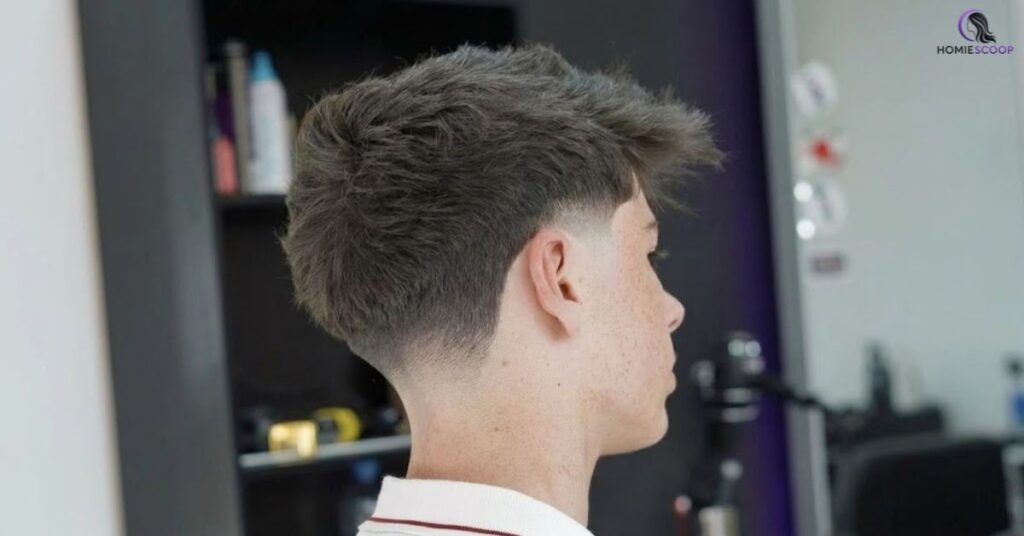
A low-maintenance variation uses a relatively short top and a simple fade structure. It reduces the amount of daily styling needed without removing the distinctive curved fade.
This is a practical choice for active men or anyone who wants a clean haircut without spending significant time in front of a mirror.
Styling Tip: Keep the top short and use only a small amount of matte product.
29. Sharp Skin High Burst Fade
A skin fade takes the sides down extremely close to the scalp, creating maximum contrast with the top. The result is crisp and visually strong.
Skin fade versions require more frequent maintenance because new growth becomes noticeable quickly. They are particularly striking with curly or textured hair.
Styling Tip: Follow your normal scalp-care routine and avoid aggressive shaving if your skin is sensitive.
30. Fluffy High Burst Fade
A fluffy top introduces soft volume and movement above the clean fade. The contrast between airy hair and tight sides gives this style a youthful modern look.
It works especially well with straight, wavy, or thick hair. Hair volume should remain controlled so the silhouette does not become wider than intended.
Styling Tip: Blow-dry upward with a brush before using a lightweight volumizing product.
31. High Burst Fade with Hard Part
A hard part adds a deliberately shaved separation through the top. Combined with a curved fade, it creates a structured and distinctive haircut.
The style can be paired with a comb over, slick back, or side part. Because the line is permanent until it grows out, placement should be discussed carefully during the barber consultation.
Styling Tip: Use a comb to keep both sides of the hard part clearly separated.
32. Disconnected High Burst Fade
A disconnected variation minimizes the gradual transition between the longer top and shorter sides. The result is a stronger street-style appearance.
This works well when the top itself has texture or volume. The lack of a traditional blend makes the difference in hair length part of the design.
Styling Tip: Add controlled texture to the top so the contrast looks intentional.
33. High Burst Fade Caesar Cut
A Caesar cut uses a short forward fringe with compact styling through the top. The fade adds a contemporary edge to the otherwise classic haircut.
It is practical for men who want a short haircut with a defined shape. Straight and textured hair can both work when the fringe is adjusted to the natural hairline.
Styling Tip: Brush the fringe forward and use matte paste for subtle separation.
34. High Burst Fade Crew Cut
A crew cut keeps the top short and gradually changes length toward the front. Combined with the burst fade, it produces a sporty and masculine silhouette.
This is a good option for men who prefer a tight haircut and limited styling. It also works well for active lifestyles.
Styling Tip: A tiny amount of matte cream is enough to control the top.
35. High Burst Fade with Line Up
A sharp line up emphasizes the forehead, temples, and side profile. When paired with the curved fade, it makes the entire haircut appear more precise.
This style works particularly well with curly and coily hair because clean edges provide a strong frame around natural texture.
Styling Tip: Have the barber preserve your natural hairline instead of forcing an artificial shape.
36. High Burst Fade for Black Men
Black men can adapt the fade to waves, coils, curls, twists, sponge texture, or other natural hairstyles. The fade area creates definition while the top retains its natural character.
Hair texture and density should guide the clipper work. A knowledgeable barber can adjust fade height and hair length to suit facial structure and individual style.
Styling Tip: Moisturize regularly and choose products that support your natural texture.
37. High Burst Fade for Oval Face
Oval face shapes provide considerable flexibility because their proportions generally support many top styles. A textured crop, quiff, pompadour, or curly hairstyle can all work.
The barber can therefore focus more on personal style and hair type than correcting facial proportions. Fade placement can still be adjusted for the desired bold look.
Styling Tip: Experiment with moderate top volume to keep the haircut balanced.
38. High Burst Fade for Round Face
Round faces often benefit from additional vertical height and reduced side bulk. A higher fade can visually narrow the sides while a taller top adds length to the overall appearance.
A textured quiff, faux hawk, or pompadour can provide useful height. The exact haircut technique should depend on hair density and natural growth patterns.
Styling Tip: Keep the top slightly taller and avoid excessive width at the sides.
39. High Burst Fade with Textured Crop
A textured crop combines a short top with visible separation. It is especially useful for men who want a modern hairstyle that does not require extensive styling.
The cropped shape can be adjusted for straight, wavy, or textured hair. A barber can use different cutting techniques to create natural movement without sacrificing the fade transition.
Styling Tip: Use texture powder or matte paste to create separation at the front.
40. High Burst Fade Quiff
A quiff gives the front of the haircut extra height while the fade keeps the sides compact. This creates a strong side profile and a fashionable modern look.
Straight, wavy, and thick hair can support this style particularly well. The barber should leave enough hair length through the front and crown for reliable volume.
Styling Tip: Blow-dry the front upward, then finish with matte clay for flexible hold.
41. High Burst Fade Curly Mullet
A curly mullet combines a rounded burst fade with longer natural curls through the back. The result is expressive without requiring the curls to be straightened.
This haircut works best when the barber respects shrinkage and curl pattern. A little extra length may be necessary because curly hair can appear shorter once it dries.
Styling Tip: Define the curls with cream and avoid brushing them after they dry.
42. High Burst Fade Textured Mullet
A textured mullet gives the back a layered appearance while keeping the sides controlled. The top can be messy or deliberately separated for a more contemporary finish.
This is a strong street-style choice for men who want a distinctive silhouette. Hair length through the crown should connect naturally with the longer back.
Styling Tip: Use a lightweight texture spray to create movement throughout the layers.
43. High Burst Fade with Faux Hawk Texture
This variation combines a central faux hawk shape with choppy texture. The result is less formal than a quiff but more wearable than a full mohawk.
The haircut can be adapted for short or medium top length. Natural hair volume makes the central ridge easier to create.
Styling Tip: Push the top toward the center while using matte clay for definition.
44. High Burst Fade with Pompadour Texture
A textured pompadour replaces the traditional glossy finish with separated strands and natural movement. The fade gives the voluminous top a cleaner frame.
This version suits men who like a fashionable haircut but do not want an overly formal appearance. The barber can reduce the top length if daily styling time is limited.
Styling Tip: Blow-dry the front upward, then loosen the shape with your fingers.
45. High Burst Fade with Natural Texture
A natural-texture version lets the hair type determine the final appearance. Curly, wavy, coily, and textured hair can all retain their natural movement while the sides receive a precise curved fade.
This is one of the easiest styles to customize because the haircut works with rather than against the existing hair structure. It is also a useful choice when you want a modern haircut that feels personal rather than overly styled.
Styling Tip: Choose a lightweight product that enhances your natural texture instead of masking it.
High burst fade haircut 40 best styles and ideas for 2026 male
For a male client, the most important decisions are usually the fade height, top length, and styling direction. A barber can create a tighter haircut for an athletic appearance or preserve more hair length for a textured hairstyle.
A modern look does not require extreme styling. A clean fade, controlled hairline, and natural texture can produce a polished result that remains suitable for everyday wear.
For men comparing haircut styles, consider whether you want a bold look, professional look, or street style. The best haircut is the one that fits your face shape, hair type, maintenance routine, and individual style.
High burst fade haircut 40 best styles and ideas for 2026 man
A man with thick or full hair can use the fade to reduce visual weight around the sides while maintaining hair volume on top. Someone with short hair can choose a buzz cut, crop, or crew cut instead.
The barber should also consider the crown and natural growth direction. A haircut that looks excellent in a photograph may need different fade placement or hair length when adapted to another head shape.
For the strongest customization, bring a reference image and explain what you like about it. Mention the top, sides, ear area, hairline, and overall finish rather than simply naming the style.
High burst fade haircut 40 best styles and ideas for 2026 straight
Straight hair makes the fade transition easy to see and provides excellent flexibility on top. You can choose a slick back, pompadour, quiff, comb over, crop, fringe, or textured hairstyle.
Straight hair may also require additional styling to create volume. A barber can leave more hair length through the crown when you want a taller top.
If you prefer a low-maintenance style, choose a shorter top. If your priority is a fashionable haircut, preserve enough length for texture and movement.
High burst fade haircut 40 best styles and ideas for 2026 boy
For a boy, practicality matters as much as appearance. A short crop, crew cut, textured top, or modest fringe can make the haircut easier to maintain during school and sports.
Parents and young clients should discuss the desired fade height with the barber. A lower or medium fade may be preferable when school rules require conservative haircut styles.
For older boys who want more personality, a textured top, curly style, faux hawk, or subtle design can add individuality without requiring a dramatic change to the overall haircut.
High burst fade haircut 40 best styles and ideas for 2026 black
Black men can use natural texture as the foundation for an especially distinctive haircut. Waves, coils, curls, twists, sponge texture, and shaped afro styles all work with carefully executed faded sides.
A barber experienced in textured hair can adjust clipper work around the ear and temples while preserving the density and shape of the top. Hairline and beard customization can further refine the appearance.
Moisture and regular maintenance are important because the fade may look sharp while the natural hair still needs appropriate care. Choose products according to your hair texture rather than copying another person’s routine.
Low fade haircut
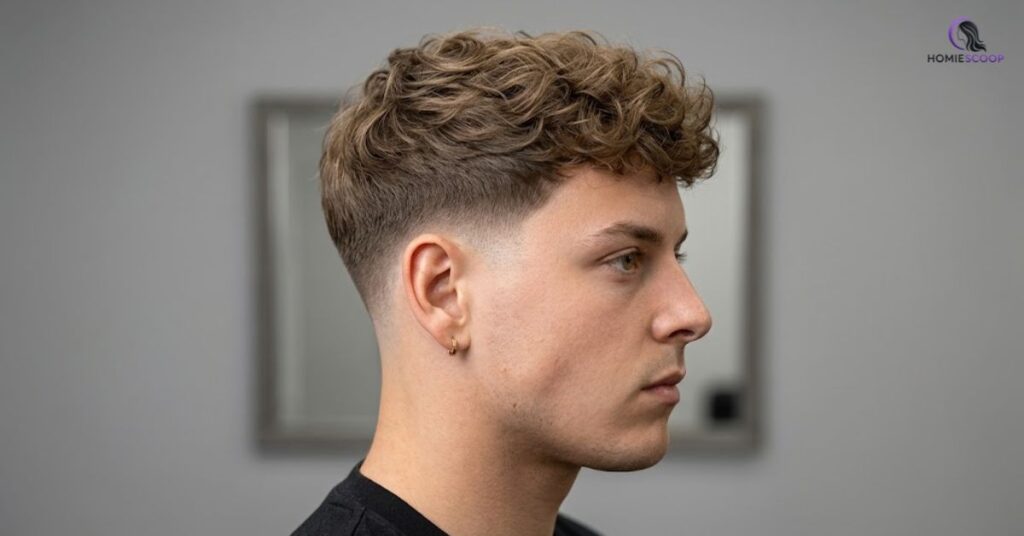
A low fade haircut keeps the fade placement closer to the ear and generally creates a softer visual transition. It is useful for men who want a more conservative or office-friendly hairstyle.
Compared with a higher fade, the lower fade leaves more visible hair around the upper sides. This can create a balanced silhouette for longer faces or anyone who does not want maximum contrast.
The best choice depends on facial structure, hair type, personal style, and desired maintenance. A barber can compare fade heights before beginning the haircut.
How to Ask Your Barber for a High Burst Fade
A successful barber consultation should cover more than the name of the haircut. Explain where you want the fade to start, how much hair length you want on top, and how you normally style your hair.
Mention whether you prefer a clean-cut look, bold hairstyle, street-style look, or professional finish. Your barber can then adapt the fade technique to your actual hair texture and facial structure.
Desired Fade Height
Tell your barber whether you want the fade high, moderate, or closer to the ear. Fade height strongly affects the amount of contrast between the sides and top.
If you want a dramatic appearance, ask for a higher fade placement. If you want more versatility, a slightly lower starting point may create a softer transition.
Top Hair Length
Top length determines which hairstyles remain possible. Short hair supports crops, buzz cuts, and crew cuts, while longer hair allows pompadours, mullets, quiffs, and slick backs.
Explain whether you want natural texture or a styled finish. Your barber can then select an appropriate haircut technique.
Beard Blend Option
If you wear facial hair, explain whether you want a connected beard blend or a more separated appearance. The fade can be adjusted around the sideburn and ear to make the transition look intentional.
A beard should complement the overall hair shape. The barber can also suggest a beard length that balances the face shape.
Hair Texture Preference
Tell your barber whether your hair is curly, wavy, straight, coily, fine, thick, or highly textured. Hair texture affects how much length remains after cutting.
Natural texture should influence the haircut rather than being treated as an obstacle. This approach usually produces a more manageable result.
Reference Photo Suggestion
A reference photo gives your barber a clearer understanding of the desired silhouette. Bring one or two images that show the side profile as well as the front.
Also explain which elements you want to copy and which you do not. This makes hairstyle customization much easier.
Step-by-Step High Burst Fade Tutorial
A professional barber haircut involves consultation, sectioning, guideline creation, clipper work, blending, top shaping, and finishing. Understanding the process helps you communicate more clearly without attempting advanced barbering techniques yourself.
The exact fade process varies according to hair type, fade height, and the chosen haircut. The following overview explains what to expect during a professional appointment.
Step 1: Start with Clean Hair
Clean hair lets the barber see the natural hair structure and growth direction. It also makes the hair easier to section and evaluate before cutting.
Step 2: Create the High Fade Guideline
The barber establishes the desired fade area around the ear and sides. This guideline determines the initial shape and helps control the fade height.
Step 3: Blend the Fade Smoothly
Different clipper guards and barbering techniques are used to soften the transition between lengths. The goal is a clean fade without distracting lines.
Step 4: Shape the Top Hair
The top is cut according to the selected style. This might mean creating a crop, quiff, pompadour, mullet, faux hawk, or natural textured hairstyle.
Step 5: Clean the Edges
The barber refines the hairline, sideburns, and neckline. These details help the final haircut look clean from every angle.
Step 6: Apply Styling Products
Product choice depends on hair type and the desired finish. Clay can create matte texture, pomade can create shine, and curl cream can support curly texture.
Step 7: Final Styling
The barber styles the completed haircut and checks the side profile, crown, top, and ear area. This final stage shows how the finished haircut will look when worn normally.
Best Hair Products for High Burst Fade Haircuts
The right product depends on hair texture, hair length, hair density, and styling goals. A heavy product can flatten fine hair, while a lightweight formula may not control thick hair.
Product selection should support the haircut rather than overpower it. Natural texture usually looks better when the product provides flexible control.
Matte Clay
Matte clay provides texture and separation without creating a glossy finish. It is useful for crops, messy tops, quiffs, and other modern hairstyles.
Pomade
Pomade is useful for slick backs, side parts, comb overs, and pompadours. It provides control and can add shine depending on the formula.
Sea Salt Spray
Sea salt spray enhances waves and creates a loose textured finish. Use it lightly if your hair is already dry or coarse.
Curl Cream
Curl cream helps curly hair maintain definition and reduce frizz. It is particularly useful when the top is left longer.
Texture Powder
Texture powder adds root lift and separation. It can be useful for thin hair or straight hair that needs more volume.
Hair Mousse
Mousse creates lightweight body and movement. It works well for fluffy, wavy, or voluminous styles.
Hair Spray
Hair spray adds longer-lasting hold when a style needs to remain in place. Use only as much as necessary to avoid making the hair feel stiff.
Choosing products based on hair type and desired finish makes daily styling easier and keeps the haircut looking intentional.
How to Maintain a High Burst Fade Haircut
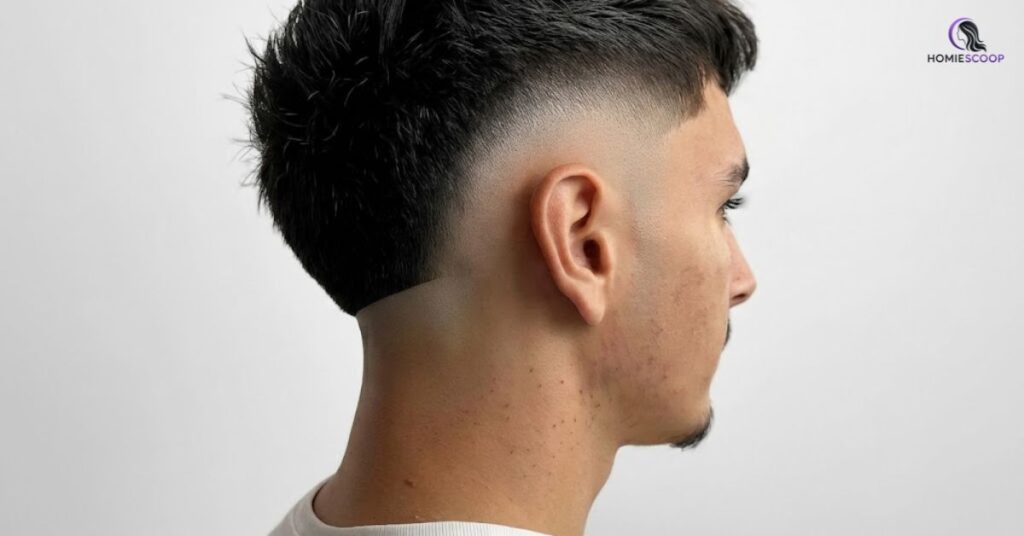
Maintenance depends on fade height, hair growth rate, skin exposure, and top length. Higher fades can show new growth quickly, so regular barber appointments are useful.
A good maintenance routine combines trims, washing, conditioning, scalp care, and appropriate styling. The goal is to preserve the haircut’s structure without overworking the hair.
Get Regular Trims
Many men schedule a barber visit roughly every two to three weeks when they want the fade to remain extremely crisp. Longer intervals can work when a softer grown-out appearance is acceptable.
Wash Your Hair Properly
Use shampoo and conditioner appropriate for your hair type. Overwashing can leave some hair textures dry, while insufficient cleansing can create unwanted buildup.
Use Lightweight Styling Products
Choose a product that matches your hair density and desired finish. Lightweight products generally preserve movement better than excessive amounts of wax or pomade.
Keep the Hairline Clean
The hairline, temples, neckline, and sideburns contribute strongly to a clean-cut look. Small changes in these areas can make a growing fade appear untidy.
Moisturize Your Hair and Scalp
Curly and textured hair often benefits from consistent moisture. Choose products according to your natural texture and avoid unnecessary buildup.
Style Your Hair Daily
Daily styling does not need to take long. A few minutes of brushing, finger styling, or blow-drying can restore volume and shape.
Protect Hair While Sleeping
Reducing friction can help preserve curls, waves, and textured finishes. A suitable pillowcase or hair covering may help maintain the style overnight.
High Burst Fade vs Mid Burst Fade
A high fade creates more visual contrast because the fade placement rises farther up the sides. A mid fade keeps more of the upper sides intact and therefore looks more balanced.
| Feature | High Burst Fade | Mid Burst Fade |
| Fade Position | Higher around the sides and ear | Middle around the side area |
| Overall Look | Bold and distinctive | Balanced and moderate |
| Contrast Level | High | Medium |
| Best For | Edgy, modern styles | Versatile everyday styles |
| Hair Types | Curly, thick, textured, wavy, straight | Most hair types |
| Styling Options | Mullet, pompadour, faux hawk, crop | Crop, side part, comb over |
| Maintenance | More frequent for a crisp finish | Generally slightly easier |
| Face Shapes | Especially adaptable with proper top length | Broad compatibility |
When comparing the two, think about how much contrast you actually want. Choosing fade height is a personal decision influenced by hair type, face shape, and personal style.
High Burst Fade vs Low Burst Fade
A low fade haircut begins closer to the ear and leaves more hair through the upper sides. It usually produces a softer, more conservative appearance.
The higher option is more noticeable and often works better when you want a bold hairstyle. The lower option can be preferable for professional environments or men who want a subtle transition.
| Feature | High Burst Fade | Low Fade Haircut |
| Fade Position | Higher | Lower |
| Appearance | Bold and modern | Subtle and clean |
| Contrast | Strong | Softer |
| Maintenance | More visible growth | Easier grow-out |
| Best For | Statement styles | Conservative styles |
| Visual Impact | High | Moderate |
For maximum contrast, choose a higher fade. For a softer everyday finish, choose a lower fade placement.
Who Should Try a High Burst Fade Haircut?
The High Burst Fade Haircut is a strong option for men who want a modern haircut with clear definition around the sides. It can be adapted to curly, straight, wavy, thick, thin, coily, and textured hair.
It is especially useful for:
- Men who enjoy bold hairstyles.
- Men with curly or textured hair.
- Men with thick or full hair.
- Teen boys and young adults.
- Men who prefer modern hairstyles.
- Men who want a street-style appearance.
- Men who need an office-appropriate hairstyle.
- Men who like low-maintenance haircut styles.
- Men who want to highlight natural texture.
- Men interested in hairstyle customization.
- Men who want a beard blend.
- Men who prefer a short haircut.
- Men who want a longer top.
- Men looking for a distinctive statement haircut.
The most important factor is not simply whether the haircut is fashionable. It is whether the fade height, top length, hair shape, and styling direction work with your face shape and daily routine.
Best Face Shapes for a High Burst Fade Haircut
A good barber considers facial structure when deciding fade placement and top volume. The same haircut can look different on an oval, square, round, diamond, heart, or rectangular face.
Oval Face
Oval faces generally offer substantial styling flexibility. Crops, pompadours, quiffs, slick backs, and curly tops can all work.
Square Face
A square face already has strong angles, so a clean fade can emphasize that structure. A textured top can add movement without making the haircut too rigid.
Diamond Face
A diamond face can benefit from a controlled top and clean sides. Medium-length textured hair can soften the overall proportions.
Round Face
Round faces often benefit from vertical height. A quiff, faux hawk, or textured top can create the appearance of additional length.
Heart Face
A heart-shaped face typically has a wider forehead and narrower chin. Moderate top volume can help create a more balanced silhouette.
Face Shapes That Need Extra Consideration
Long or rectangular faces should be careful with excessive height. Too much volume through the crown can make the face appear longer.
A barber consultation can help determine whether to adjust the fade height, top hair length, or overall hair shape. Face-shape compatibility is about balance rather than rigid rules.
Common Mistakes to Avoid with a High Burst Fade
Even a well-designed haircut can lose its impact when the proportions are wrong. The most common problems involve fade placement, excessive product, unsuitable top length, or inconsistent maintenance.
Choosing the Wrong Hair Length on Top
The top should support the face shape and chosen hairstyle. Copying another person’s length without considering hair type can produce a completely different result.
Ignoring Regular Maintenance
A fade loses its definition as hair grows. If you want a crisp finish, plan barber visits around your growth rate.
Using Too Much Styling Product
Too much product can make textured hair appear greasy or flat. Start with a small amount and add more only when necessary.
Not Matching the Fade to Your Face Shape
Fade height influences visual proportions. Discuss your facial structure with your barber before choosing the most aggressive placement.
Skipping Hair and Scalp Care
A fashionable haircut still depends on healthy hair. Regular cleansing, conditioning, moisture, and sensible styling habits improve the overall appearance.
The strongest result usually comes from combining the right fade height with suitable hair length, natural texture, consistent maintenance, and thoughtful hairstyle customization.
FAQ’s
Is a high burst fade a thing?
Yes. A high burst fade is a recognized variation of the burst fade in which the curved fade rises higher around the sides and ear. The exact fade height can be customized according to hair type, face shape, and preferred contrast.
What is the most popular fade in 2026?
Popularity varies by region and personal style, but burst fades, high fades, mid fades, and low fades remain widely requested. The best option depends on the haircut styles currently favored by the individual and the result they want.
What fade is the most attractive?
There is no universally attractive fade. A high fade can emphasize strong facial features, while a mid fade or low fade can create a softer balance. Face shape, hair texture, hair length, and personal style matter more than a single universal ranking.
What is the best burst fade?
The best burst fade is the version that matches your hair type, face shape, maintenance preferences, and top hairstyle. A curly mullet, textured crop, pompadour, buzz cut, or natural-texture style can all be excellent choices when the fade placement is customized correctly.
Why is Burst fade so popular?
The burst fade is popular because its curved shape creates visual interest while leaving many options for the top. It works with modern hairstyles, natural texture, short hair, long hair, and different personal styles, making it highly adaptable.
Conclusion
A High Burst Fade Haircut gives men a distinctive combination of curved fade placement, strong contrast, and flexible top styling. From curly mullets and textured crops to pompadours, buzz cuts, faux hawks, and natural-texture finishes, the cut can be adapted to many hair types and face shapes.
The best result comes from a skilled barber, realistic maintenance routine, suitable hair length, and thoughtful customization. Choose your fade height according to your facial structure and personal style, then let your natural hair texture guide the finished look.
Meta Description: Explore 45 high burst fade styles for 2026, including curly, straight, mullet, textured, black, and low-maintenance looks.
