
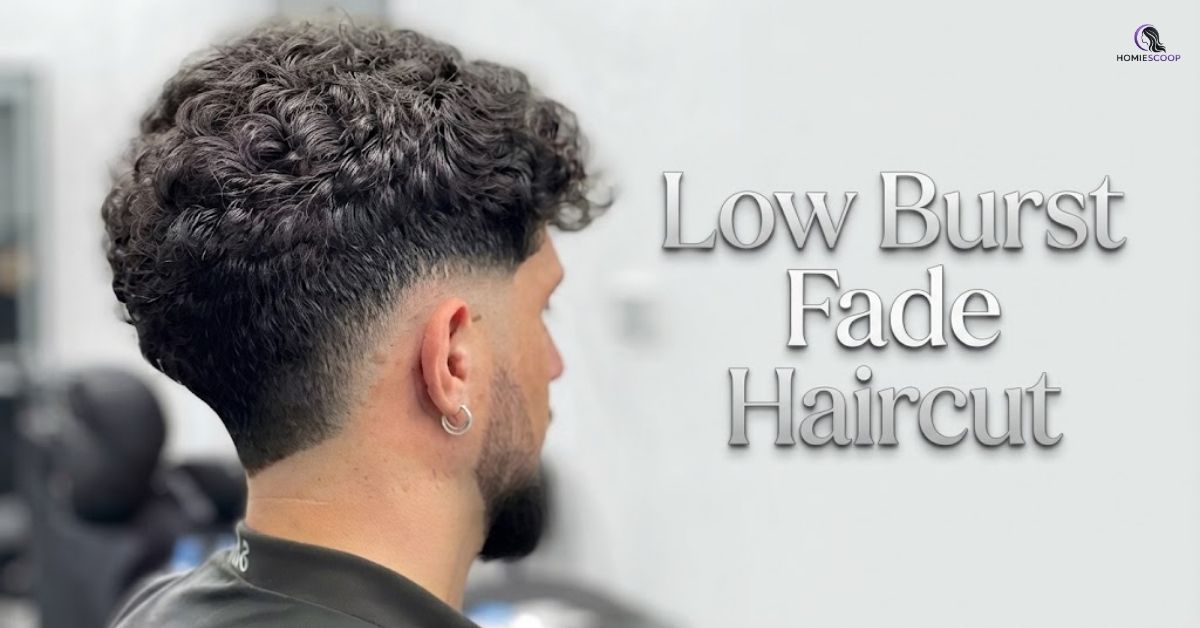
A Low Burst Fade Haircut is one of the most versatile modern cuts for men who want clean sides without taking too much hair away from the temples and top. Instead of moving high up the side of the head, the fade curves around the ear and gradually blends toward the back. This creates the signature curved fade, while keeping enough length above it for curls, waves, texture, fringe, a quiff, or even a longer style.
The appeal of the Low Burst Fade Haircut is its flexibility. It can look professional with a comb over or slick back, relaxed with natural waves, bold with a mohawk or mullet, and sharp when combined with a beard and line up. In this guide, you will find 30 useful styles, comparisons between fade heights, hair-type recommendations, styling advice, maintenance tips, barber instructions, and answers to common questions.
What Is a Low Burst Fade Haircut?
A Low Burst Fade Haircut starts low around the ear and creates an arc-shaped transition toward the back of the head. Unlike a traditional low fade haircut, which normally follows a more horizontal or straight path, a low burst fade wraps around the ear in a rounded pattern.
The lower placement leaves more hair around the temples while creating tapered sides and a clean area around the ears. This makes the low burst fade haircut men choose especially useful when they want contrast without an extremely exposed scalp.
At a glance:
- Low starting point: The fade begins around the ear rather than high on the side.
- Curved shape: The fade forms a rounded burst around the ear.
- More temple coverage: More hair remains near the temple than with a high fade.
- Flexible top: It can work with a textured top, curls, waves, fringe, quiff, crop, or longer hair.
- Beard compatibility: The fade can transition naturally into facial hair.
- Flexible maintenance: A well-blended version can remain presentable as it grows.
The burst fade haircut is mainly defined by its curved shape, while the word “low” describes its placement. That distinction is important when asking a barber for a best low burst fade.
Low Burst Fade vs. High Burst Fade vs. Mid Burst Fade
A low burst fade, mid burst fade, and high burst fade all use the same basic curved concept, but their starting points change the overall appearance. A low version keeps more hair on the upper sides, a mid version creates greater contrast, and a high version produces the boldest result.
| Feature | Low Burst Fade | Mid Burst Fade | High Burst Fade |
| Starting point | Around the ear | Higher around the temple | High on the side |
| Contrast | Soft to moderate | Moderate | Strong |
| Overall appearance | Subtle and versatile | Balanced | Dramatic |
| Best use | Professional and everyday styles | Fashionable everyday looks | Bold statement styles |
| Regrowth | Generally forgiving | Moderate | More noticeable |
| Styling flexibility | Very high | High | High |
A mid fade gives more visible separation than a low version, while a high burst fade makes the sides much more noticeable. For many first-time fade wearers, a Low Burst Fade Haircut is easier to live with because it does not immediately create an extreme change.
Burst fade Low
Burst fade Low is essentially the lower placement of the traditional burst pattern. It keeps the curved fade close to the ear while allowing more volume to remain above it.
This version is particularly useful for someone who wants a clean haircut but does not want the dramatic exposure created by a high fade.
Mid burst fade
A mid burst fade moves the curved transition higher. It creates stronger separation between the top and sides and often suits men who want a more noticeable modern men’s haircut.
The mid placement can work with curls, waves, crops, mohawks, and longer tops, but it usually creates more contrast than a low version.
High burst fade
A high burst fade pushes the fade considerably higher toward the side of the head. It produces a sharper and more dramatic appearance and is commonly chosen for statement hairstyles.
Compared with a low burst fade, the high version exposes more of the sides and normally requires more frequent touch-ups to keep its strongest visual effect.
What’s Driving the Low Burst Fade Trend in 2026?
The low burst fade haircut styles trend continues because it combines a distinctive curved shape with practical styling. Men can control the amount of contrast while keeping the top customized to their personal hair texture and preferred finish.
Another reason for its popularity is adaptability. Low burst fade 2026 looks can be paired with natural texture, a sharp line up, beard blending, curls, waves, twists, dreadlocks, or a longer top. That flexibility makes it part of the broader men’s hairstyles 2026 movement.
A modern burst fade can also grow out more naturally than a very high fade. For men who prefer an easy maintenance haircut, the lower placement can be a practical choice.
Who Should Get a Low Burst Fade Haircut?
A Low Burst Fade Haircut is a strong choice for men who want controlled sides while retaining useful length on top. It can work particularly well for curly, coily, thick, wavy, and straight textures.
It is also useful for men who:
- Want a polished appearance without an extreme fade.
- Prefer low maintenance hairstyle options.
- Have a beard and want a connected transition.
- Want to preserve volume on top.
- Are trying a fade for the first time.
- Want different styling options between barber visits.
- Prefer short sides with a longer top.
- Want a professional haircut that can also look fashionable.
A low burst fade for men can also be adjusted according to face shape. More height can visually lengthen a round face, while moderate top volume can help balance a longer or narrower face.
Pros and Cons of a Low Burst Fade Haircut
| Pros | Cons |
| Soft, controlled contrast | Less dramatic than a high fade |
| Works with many hair textures | Requires a skilled barber for the curve |
| Blends well with beards | Designs have less space |
| Keeps temple coverage | Ear area requires precision |
| Flexible top styling | May look too subtle for some preferences |
| Good regrowth appearance | Skin versions need more upkeep |
The biggest advantage of low burst fade hairstyles is their flexibility. You can keep the top natural or turn it into a more defined style without changing the basic fade.
The main drawback is that the curve must be positioned correctly. A barber who takes the fade too high can accidentally change the character of the haircut.
Read More: Burst Fade Buzz Cut: 40 Sharp Styles for Men in 2026
30 Low Burst Fade Haircut Ideas for Men
Each of these low burst fade styles uses the same basic curved foundation while changing the top, texture, length, or finishing detail.
1. Classic Low Burst Fade
The Classic Low Burst Fade keeps the sides neat while leaving the top slightly longer and relatively natural. It is one of the easiest choices for someone trying the style for the first time.
A matte product can add light separation without making the hair appear overly styled. This stylish low burst fade works especially well for everyday situations.
2. Low Burst Fade Mullet
A Low Burst Fade Mullet combines the curved fade with noticeably longer hair at the back. The shorter sides create separation while the rear length gives the haircut its recognizable mullet character.
This is an excellent option for men who want a burst fade mullet with a softer transition around the ears.
3. Curly Low Burst Fade
A low burst fade curly hair style leaves natural curls or coils prominent on top while the sides receive a controlled curved fade.
The result works especially well with low burst fade with curls, because the lower fade preserves more surrounding volume while giving the curls a defined frame.
4. Straight Hair Low Burst Fade
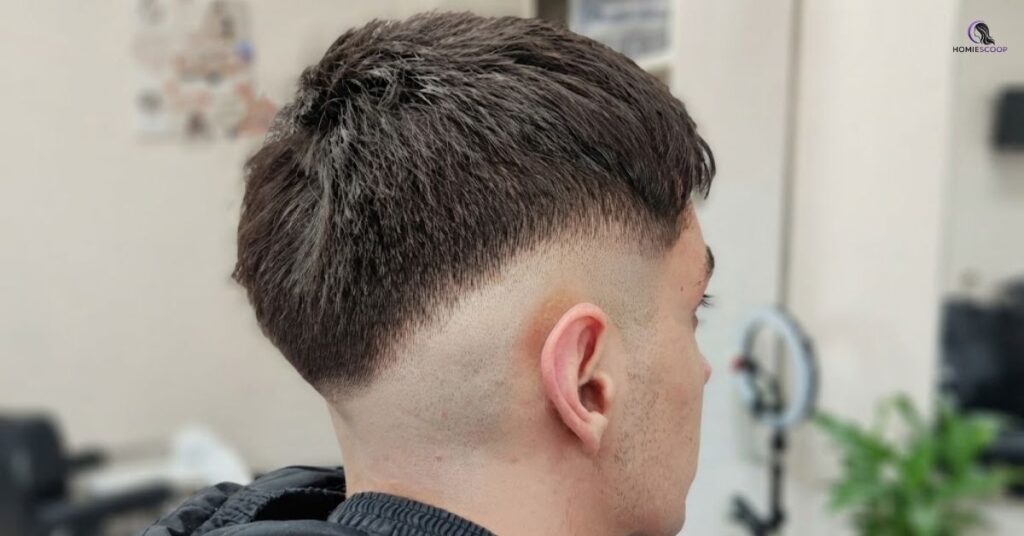
Low burst fade straight hair creates a very clean appearance because straight strands reveal the blending work clearly. Precision around the transition is particularly important.
Men choosing low burst fade straight hair men should discuss the desired top length and finish before the clippers begin.
5. Textured Low Burst Fade
A low burst fade textured hair style uses point cutting, layering, or a matte product to create movement on top.
The contrast between a fresh fade and a textured top creates an effortless appearance. This works well for men who want a haircut that can be styled quickly.
6. Short Low Burst Fade
A low burst fade for short hair is one of the easiest versions to manage. The top can remain short while the sides gradually become tighter around the ears.
For hot weather or men who dislike lengthy styling routines, this can become an excellent low maintenance hairstyle.
7. Low Burst Fade with Beard
A low burst fade with beard for men creates a connected appearance from the haircut into the facial hair. The barber can blend both areas during the same appointment.
The low burst fade with beard pairing works with short, medium, and fuller facial hair, provided the transitions are carefully matched.
8. Messy Low Burst Fade

A messy top gives the haircut a relaxed personality. The fade remains controlled while the upper section uses natural texture rather than a perfectly combed finish.
A small amount of clay can create separation without making the low burst fade hairstyles look stiff.
9. Low Burst Fade Mohawk
The low burst fade with mohawk keeps a longer strip of hair through the center while the sides curve into the fade around the ears.
This is one of the bolder burst fade styles and works particularly well with textured, curly, or coily hair.
10. Low Burst Fade with Design
A low burst fade with design adds a shaved line, geometric pattern, or simple artistic detail to the fade area.
Because the fade is positioned low, simple designs generally work better than extremely detailed patterns. Regular barber visits help keep the design visible.
11. Buzz Cut Low Burst Fade
A short buzzed top creates a practical combination with the curved sides. The haircut requires very little daily styling and keeps the overall shape straightforward.
This is a strong low burst fade for short hair when practicality matters more than length.
12. Low Burst Fade Pompadour
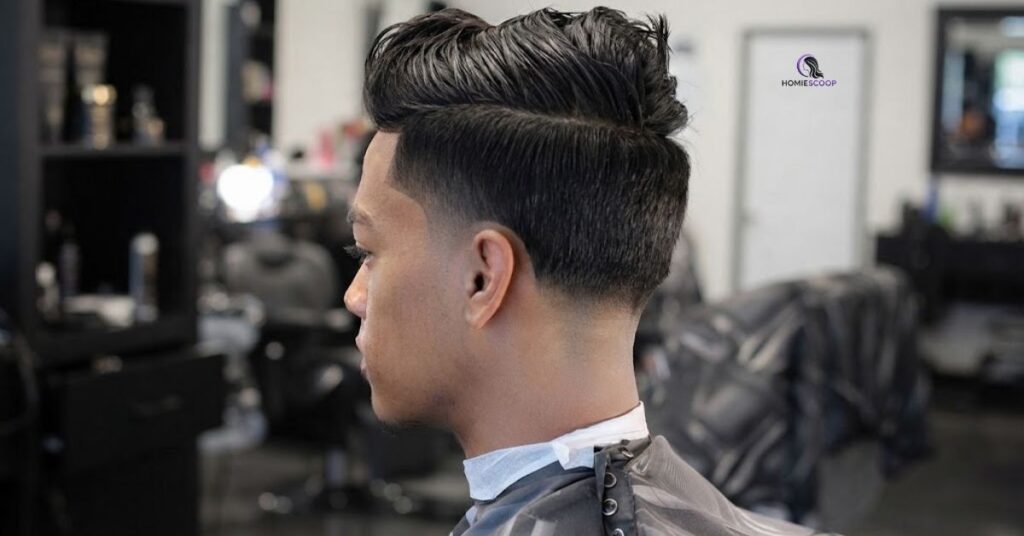
A low burst fade with pompadour combines a high-volume front with closely controlled sides.
Blow-drying the roots upward before applying pomade can help create the necessary height. This version is suitable for both formal and fashionable occasions.
13. Comb Over Low Burst Fade
A comb-over creates a polished finish by directing the top across the head. The curved sides keep the lower portion clean while the top provides a more traditional appearance.
For office environments, this can be one of the more conservative low burst fade haircut styles.
14. Wavy Hair Low Burst Fade
A low burst fade wavy hair style allows the natural wave pattern to remain visible. The sides become cleaner while the top maintains movement.
Men choosing low burst fade with waves can use lightweight cream or sea-salt spray to enhance definition without creating excessive stiffness.
15. Thick Straight Low Burst Fade
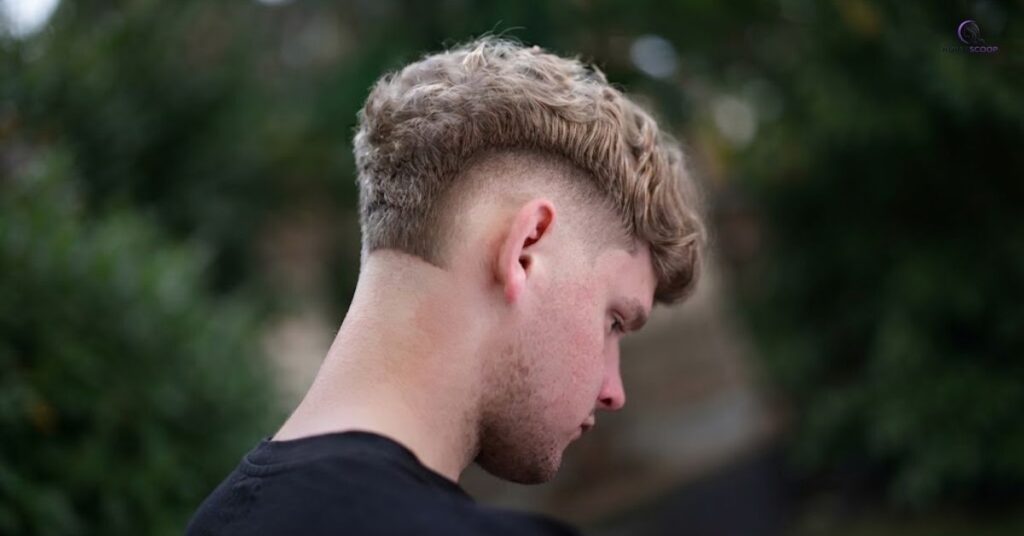
A low burst fade thick hair style is useful when the top naturally has substantial density. The barber can remove some weight from the upper section while maintaining enough length for styling.
The result is a balanced low burst fade for men who want their thick hair controlled rather than completely shortened.
16. Low Burst Fade for Black Men
A low burst fade for black men can work especially well with coily and tightly curled textures. The curved fade creates definition around the ears while preserving volume above.
A low burst fade afro hair combination can also maintain the natural character of the hair instead of removing too much volume.
17. Slick Back Low Burst Fade
A slick-back directs the top away from the face and creates a polished appearance. The sides remain controlled through the curved fade.
This style is especially effective for men with medium or long hair who want a refined barbershop style.
18. Low Burst Fade Fringe
A low burst fade with fringe leaves additional length toward the forehead. The fringe can fall naturally or be lightly swept to one side.
This gives the haircut a younger, more casual appearance while retaining the structured sides.
19. Spiky Hair Low Burst Fade
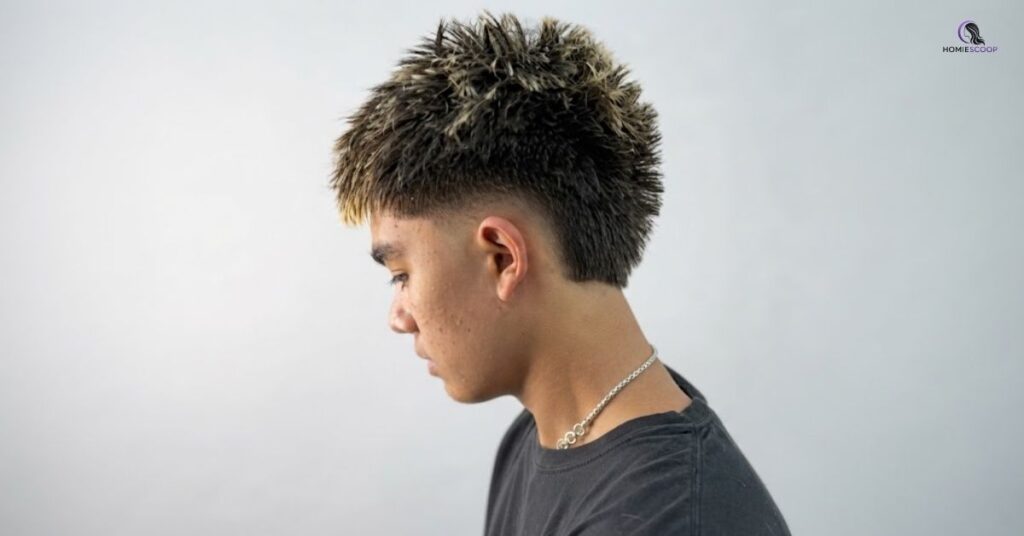
A spiky top adds vertical movement and energy to the haircut. A strong-hold paste can separate individual sections while keeping the sides clean.
This is a useful modern burst fade option for men who enjoy a more energetic finish.
20. Undercut Low Burst Fade
The undercut version creates stronger contrast between the top and sides. More length stays on top while the sides become significantly shorter.
The result works particularly well for men who want their longer top to become the main visual feature.
21. Long Hair Low Burst Fade
A low burst fade for long hair retains substantial length above the fade. The longer hair can be worn backward, textured, tied, or allowed to fall naturally.
This is a practical choice for someone who wants the sides controlled without giving up long hair.
22. Tapered Low Burst Fade
A low burst fade taper creates a softer transition than a very aggressive skin fade. The curved shape remains visible but the blending is gradual.
This style is ideal for men who want a clean haircut that does not appear excessively dramatic.
23. Low Burst Fade Faux Hawk
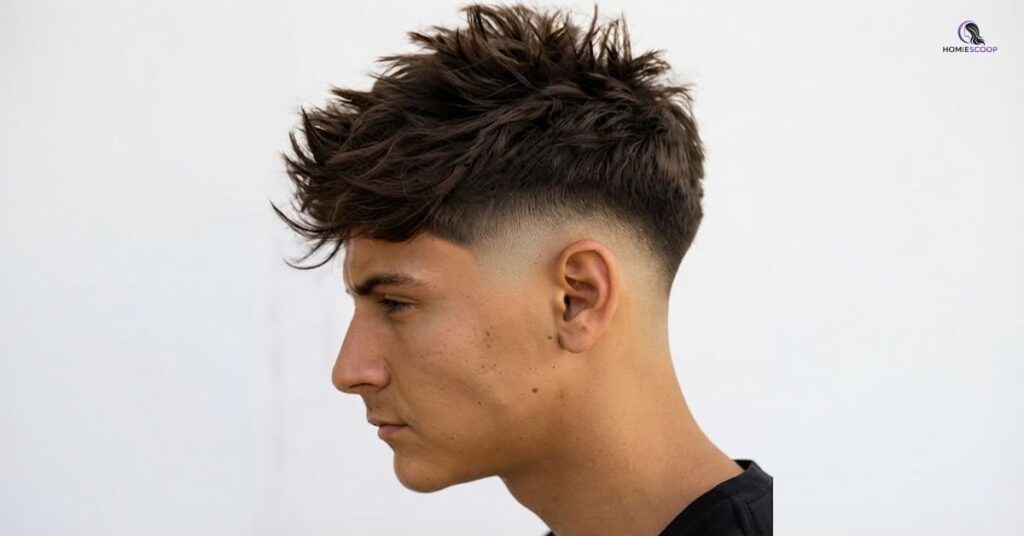
A faux hawk creates height through the center without committing to a full mohawk. The low fade helps make the central section stand out.
This is a good low burst fade haircut men can use when they want more personality without going fully extreme.
24. Low Burst Fade with Line Up
A low burst fade and line up combination contrasts a geometric front hairline with the rounded fade around the ear.
The sharp line up needs regular maintenance because even small amounts of regrowth can soften the crisp effect.
25. Skin Low Burst Fade
A low burst fade skin fade takes the fade down to exposed skin around its lowest point. It provides more contrast than a standard low fade.
Because the scalp is visible, this version normally requires more frequent maintenance to keep the fresh fade appearance.
26. Low Burst Fade with Hard Part
A low burst fade with hard part adds a shaved separation line to the top. It creates a clear distinction between the styled section and the faded side.
The hard part works particularly well with a comb over or side part.
27. Low Burst Fade Textured Top
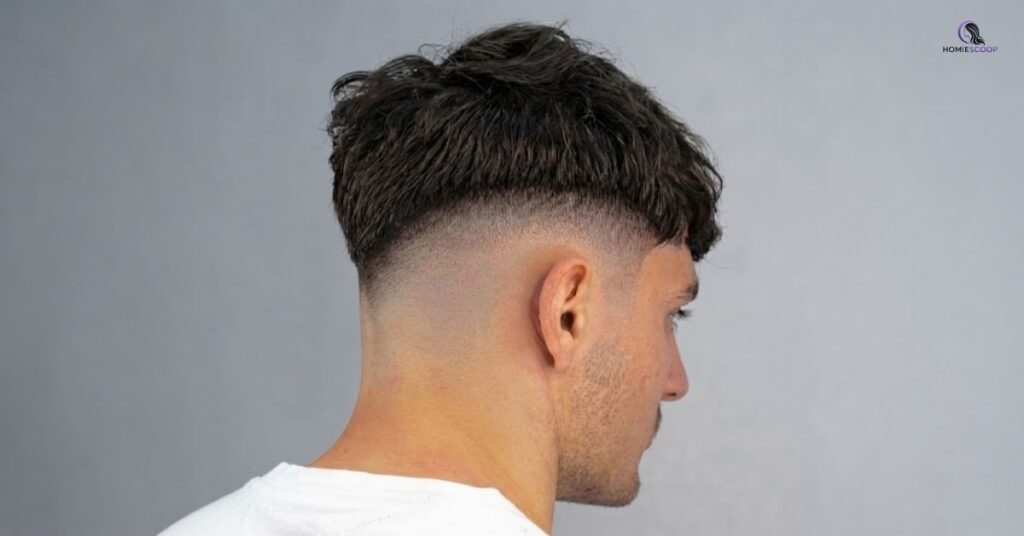
A low burst fade with textured top uses uneven lengths and product to create movement. The top can be messy, controlled, or lightly swept backward.
This is one of the most adaptable choices for men who want a contemporary appearance without excessive daily work.
28. Low Burst Fade with Twists
A low burst fade with twists keeps the sides clean while allowing twists to remain prominent above.
The style works especially well when the barber preserves enough length to maintain the twist pattern while keeping the curved fade precise.
29. Low Burst Fade with Dreadlocks
A low burst fade with dreadlocks creates a strong contrast between the structured sides and longer locs. The fade can help frame the face while keeping the ears and lower sides clean.
This variation can be customized according to dreadlock length and thickness.
30. Modern Low Burst Fade for 2026
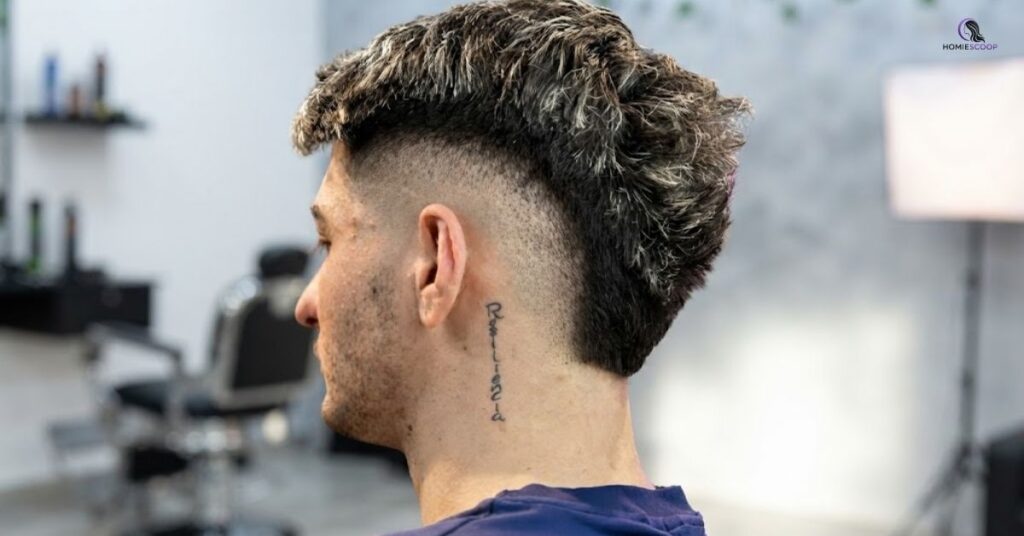
The Modern Low Burst Fade for 2026 combines the classic curved fade with contemporary details such as texture, natural volume, a beard, line up, fringe, or subtle design.
For men searching for low burst fade styles for 2026, the key is not simply copying one photograph. The best result is the version adjusted to your face shape, hair texture, lifestyle, and desired maintenance level.
Burst Fade Mullet
A burst fade mullet is different from a basic low burst style because the back length becomes a major part of the haircut. The fade controls the sides while the back remains intentionally longer.
For men who want a stronger fashion statement, combining a low burst fade with a mullet can produce a recognizable modern silhouette.
Burst Fade Low Taper
A Burst Fade Low Taper is a softer interpretation that reduces the amount of aggressive fading. It can be useful for someone who likes the curved shape but wants a more gradual finish.
This option can also be described as a low burst fade taper, especially when the transition is kept subtle.
Low fade haircut Black
A low fade haircut Black style can work with natural, coily, curly, or textured hair. The key is choosing the fade placement according to the density and growth pattern of the hair.
A low burst fade for black men can preserve natural volume while giving the sides and ear area a defined shape.
Best Face Shapes for a Low Burst Fade Haircut
The top style can change how the haircut complements your face. A low fade itself remains relatively consistent, so most adjustment comes from the length and styling above it.
Oval Face Shape
Oval faces can handle many low burst fade haircut ideas. A classic version, textured top, side part, or slick back can all work because the proportions are already balanced.
Round Face Shape
For round faces, additional height on top can create a longer visual profile. A quiff, pompadour, faux hawk, or textured top can be particularly useful.
Square Face Shape
A square face usually benefits from styles that preserve the natural strength of the jawline. A textured crop, slick back, or moderate-length top can create a balanced finish.
Diamond Face Shape
Diamond-shaped faces can benefit from moderate volume and texture. Avoiding excessive width at the cheek area can make the overall silhouette look more balanced.
Heart Face Shape
A heart-shaped face generally benefits from controlled top volume. A messy top or moderate fringe can prevent excessive height from making the forehead appear wider.
How to Ask Your Barber for a Low Burst Fade Haircut
If you want a Low Burst Fade Haircut, tell your barber exactly where you want the fade to begin. A useful request is:
“I want a low burst fade around the top of my ear, curved toward the back, with the sides blended gradually. Keep the top at my preferred length and preserve the shape.”
Also tell your barber:
- How much length you want on top
- Whether you prefer a soft or sharp blend
- Whether you want a skin finish
- Whether you want a beard blend
- Whether you want a line up
- Whether you want a hard part or design
- How much natural texture you want preserved
A reference photograph can make communication easier, particularly if you want a specific low burst fade haircut for every hair type variation.
How to Style a Low Burst Fade Haircut
A Low Burst Fade Haircut becomes easier to manage when your styling routine matches your hair type.
Step 1: Start with Clean Hair
Wash the hair and remove excess water. Leave it slightly damp so the styling product can distribute evenly.
Step 2: Apply the Right Product
Use pomade for slick styles, clay for matte texture, cream for curls and waves, and lightweight products when the hair is fine.
Your choice of styling products should depend on both texture and the finish you want.
Step 3: Shape Your Hair
Use your fingers for a relaxed appearance and a comb for a cleaner result. Work from the roots through the top instead of applying everything only to the ends.
Step 4: Add Volume if Needed
A blow dryer can create additional height for a pompadour, quiff, or faux hawk. Direct the air in the direction you want the hair to sit.
Step 5: Finish and Hold
A small amount of hairspray can help hold the final shape. Avoid excessive product because buildup can make the top appear heavy.
Step-by-Step Low Burst Fade Haircut Tutorial
Creating a Low Burst Fade Haircut requires careful control around the ears and gradual blending through the sides.
Step 1: Prepare the Hair
The barber should examine natural growth patterns, cowlicks, density, and the desired top length before cutting.
Step 2: Create the Burst Fade Shape
The curved guideline is established low around the ear. The shape should follow the natural contour of the head.
Step 3: Blend the Fade
Different guards are used to gradually move from the shortest section to longer hair. The goal is to eliminate visible lines between the sections.
Step 4: Cut and Style the Top
The top is shaped according to the selected style. Scissors can preserve texture, while clippers may be useful for shorter uniform lengths.
Step 5: Clean the Edges
The hairline, neckline, and area around the ears are cleaned. If a beard is included, the facial hair can be blended during the same appointment.
Step 6: Finish with Styling Products
The barber applies an appropriate product to demonstrate how the finished haircut should look and how the customer can recreate it.
How to Maintain a Low Burst Fade Haircut
Get Regular Trims
Most low burst fade haircut maintenance routines require a barber visit roughly every three to four weeks, although the exact schedule depends on hair growth and the desired sharpness.
A skin version may need more frequent attention because even short regrowth becomes visible.
Wash Hair Properly
Do not automatically shampoo every day. Hair texture, scalp condition, product use, and lifestyle should determine your washing routine.
Men with curls and coils should generally focus on maintaining moisture rather than constantly stripping natural oils.
Use Conditioner
Conditioner helps preserve softness, especially for longer, curly, coily, or textured hair.
A low burst fade textured hair style can look significantly better when the top remains healthy and manageable.
Apply Styling Products Carefully
Start with a small amount and increase only if necessary. Too much product can flatten fine hair or make thick hair feel heavy.
Maintain Beard and Edges
If your haircut includes a beard, line up, or design, maintain those elements on a consistent schedule. This keeps the entire appearance coordinated.
Low Burst Fade Haircut vs. Taper Fade
A low burst fade vs taper fade comparison mainly comes down to shape. The burst fade curves around the ear, while a taper usually follows a more straightforward gradual reduction.
| Feature | Low Burst Fade | Taper Fade |
| Shape | Curved around ear | Gradual side transition |
| Visual impact | More noticeable | More understated |
| Top flexibility | Very high | Very high |
| Best for | Defined modern appearance | Natural conservative appearance |
| Ear area | Curved fade | Usually simpler taper |
A low burst fade vs. taper fade decision depends on how noticeable you want the haircut to be. Choose the burst shape if you want a distinctive curved detail; choose a taper if you prefer subtle blending.
Low Burst Fade vs. Burst Fade
The difference between low burst fade vs burst fade is primarily terminology and placement. “Burst fade” describes the curved pattern, while “low burst fade” specifies that the pattern sits lower around the ear.
A standard burst fade may be positioned low, medium, or high. Therefore, asking specifically for a low burst fade gives your barber more precise information.
Best Hair Products for a Low Burst Fade Haircut
The right product depends on the top style rather than the fade itself.
Pomade
Pomade is useful for slick backs, pompadours, comb overs, and polished side parts. It can provide shine and control.
Hair Clay
Clay is ideal for messy, textured, and matte styles. It can make low burst fade textured hair look fuller and more separated.
Sea Salt Spray
Sea salt spray can enhance waves and add light texture. It is particularly useful for low burst fade with waves when you want a relaxed finish.
Curl Cream
Curl cream is useful for low burst fade curly hair, helping define curls while reducing unwanted frizz.
Hair Wax
Wax provides flexible control and can work for spiky, textured, or short styles.
For fine hair, avoid overly heavy products. A low burst fade fine hair style often looks better when lightweight products preserve volume rather than flattening it.
Low Burst Fade for Different Hair Types
Low Burst Fade Curly Hair
A low burst fade curly hair style preserves curl volume while cleaning the sides. The lower fade can prevent the haircut from becoming overly exposed.
Low Burst Fade Wavy Hair
A low burst fade wavy hair look works with the natural movement of the strands. Light cream or sea-salt spray can help define the pattern.
Low Burst Fade Thick Hair
A low burst fade thick hair cut can remove unnecessary side weight while preserving the strong top.
Low Burst Fade Thin Hair
A low burst fade thin hair style should avoid removing too much density from the top. Texture and moderate length can make the hair appear fuller.
Low Burst Fade Coarse Hair
A low burst fade coarse hair style benefits from controlled blending and appropriate moisturizing products.
Low Burst Fade Fine Hair
A low burst fade fine hair style generally works best with lightweight styling products and moderate texture.
Low Burst Fade Afro Hair
A low burst fade afro hair variation preserves natural volume while defining the lower perimeter.
Low Burst Fade Natural Hair
A low burst fade natural hair style can retain the authentic texture of curls and coils while creating cleaner edges.
Low Burst Fade vs. Taper Fade: Which One Should You Choose?
Choose a burst fade when you want the curved shape to be visible and part of the haircut’s personality. Choose a taper when you want a quieter transition that blends more naturally into the sides.
For men seeking trendy low burst fade hairstyles, the burst option gives more opportunities to combine texture, beard blending, designs, and different top shapes.
How to Ask a Barber for a Low Burst Fade Haircut
The simplest request is:
“I want the fade low around the ear, curved toward the back, with a gradual blend. Keep the top at [your desired length] and preserve my natural texture.”
If you want a particular version, add details such as with beard, with line up, with fringe, with curls, with waves, with textured top, with crop, with pompadour, or with quiff.
For men searching for the best low burst fade haircut for men, bringing a clear reference photograph can prevent confusion about fade height and top length.
FAQ’s
Is a burst fade haram?
Whether a burst fade is considered haram depends on the religious interpretation being followed. Some Islamic scholars consider certain forms of uneven shaving, especially qaza, impermissible, while other scholars distinguish between different modern haircut patterns.
Because interpretations differ, someone concerned about the religious ruling should ask a trusted qualified scholar about the exact haircut and how the hair is shaved.
Is there such a thing as a low burst fade?
Yes. A low burst fade is a recognized variation of the burst fade where the curved transition is positioned lower around the ear.
The lower placement leaves more hair toward the temple and upper side, giving the style a softer appearance than a mid or high burst fade.
Which fade is most attractive?
There is no single fade that looks best on everyone. A low burst fade is popular because it can be adjusted for different face shapes, textures, beard lengths, and top styles.
The most attractive version is usually the one that fits the individual’s proportions and natural hair rather than simply copying a trend.
Is a burst fade just a mullet?
No. A burst fade is a fade pattern that curves around the ear. A mullet is a hairstyle characterized by shorter hair toward the front and sides with longer hair at the back.
They can be combined, creating a burst fade mullet, but they are not the same haircut.
Is a mullet haram?
The religious ruling on a mullet can vary depending on the scholar and interpretation. Some views may consider certain uneven hairstyles problematic, while others distinguish between specific forms and cultural styles.
If this question is important for religious practice, consult a trusted qualified scholar who can assess the exact hairstyle.
Conclusion
A Low Burst Fade Haircut offers a strong balance between a distinctive curved fade and flexible top styling. From curls, waves, and textured crops to pompadours, mohawks, mullets, twists, dreadlocks, and beards, the basic shape can be customized for many different preferences.
The best Low Burst Fade Haircut is the one that matches your face shape, hair texture, desired maintenance, and lifestyle. Tell your barber exactly where you want the fade to sit, show a reference image, and choose a top style that works naturally with your hair.
