
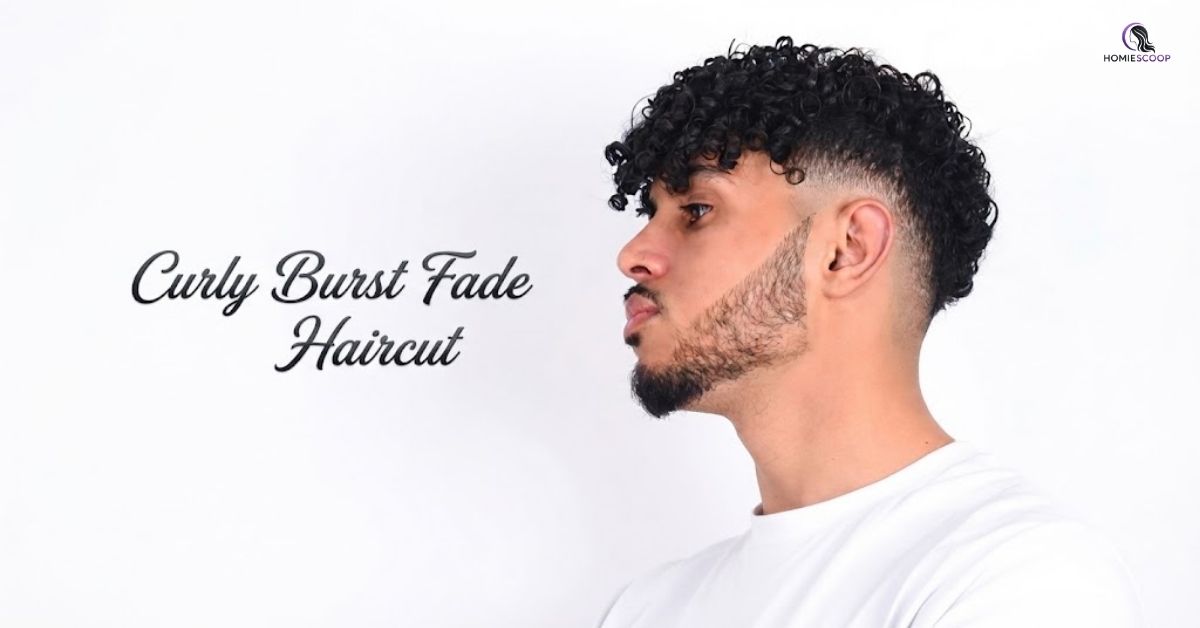
A great curly fade starts with understanding how texture, density, shrinkage, and face shape interact. The defining feature is the curved section around the ear, while the top keeps enough length to show the character of the curls. That combination gives the style structure without flattening natural movement.
In 2026, the look works across wavy hair, loose curls, tight curls, coily hair, and everything between. The right version depends less on copying a photograph and more on matching fade placement, hair length, curl pattern, and facial proportions.
What Is a Curly Burst Fade?
A Curly Burst Fade Haircut uses a semicircular fade that hugs the ear while preserving textured hair through the top and often toward the crown. The fade can be low, mid, or high, creating different levels of contrast between the faded sides and curly top.
Unlike a conventional low fade or mid fade that follows a more horizontal path, a burst fade creates an arc. That curved fade can frame the face, emphasize the natural volume of curls, and create a clean transition without removing the character of the hair.
Key Features of a Curly Burst Fade
The main characteristics include:
- A semicircular fade around the ear.
- An ear-hugging fade that follows the natural shape of the ear.
- Short sides with a gradual fade transition.
- A longer top that preserves curl volume.
- A curved fade arc that can be customized to head shape.
- A fade blend that connects the shortest section with the longer hair.
- Natural texture through the curly top.
- Different fade heights for different proportions.
- Flexible styling from natural curls to a defined, polished finish.
- Compatibility with wavy hair, 3A curls, tight curls, and 4C hair.
The result is a structured haircut that still feels soft because the top retains movement. A skilled barber can alter the fade placement and hair length to make the finished shape more proportional.
Why Is the Curly Burst Fade So Popular in 2026?
The style has become especially useful because it combines the visual impact of a modern men’s haircut with the versatility of a curly haircut. It can look casual with natural curls or more polished with controlled definition.
Works with Different Curl Types
A major advantage is adaptability. Wavy hair can be left longer and relaxed, while tight curls and coily hair can be shaped closer to the head. The barber can account for shrinkage, density, curl direction, and natural curl pattern before deciding where the fade should sit.
For 3A curls, a slightly longer curly top can create movement. With 4C hair, shorter length can provide a crisp silhouette while allowing the natural texture to remain visible. This makes it a useful choice for men searching for haircuts for curly hair, haircuts for coily hair, or haircuts for wavy hair.
Modern Yet Low-Maintenance Style
The faded sides reduce bulk and keep the outline clean, while the top can often be refreshed with a small amount of styling product. That makes the cut suitable for men who want a modern style without spending excessive time on daily styling.
A low-maintenance haircut does not mean zero maintenance. Fade upkeep remains important, particularly around the ear and temple area. The curly top, however, can usually be refreshed more easily than a heavily sculpted hairstyle.
Suitable for Most Face Shapes
Face shape should influence both the fade height and the amount of volume left on top. A round face can benefit from additional height, while a long face may look better with controlled volume and a lower fade.
A square face generally works well with textured curls because soft texture can complement a stronger jaw. A narrow face can benefit from moderate width and volume, while balanced facial structure gives you more freedom.
40 Cool Curly Burst Fade Haircut Ideas for Men
Here are 40 original variations covering different curl types, lengths, fade heights, textures, and styling preferences.
1. Classic Curly Burst Fade
The Classic curly burst fade combines medium-length natural curls with a clean fade around the ears. It is an excellent starting point for someone who wants a timeless haircut without an extreme contrast.
Keep the curly top long enough to show the curl pattern, then ask the barber for a controlled fade transition. A light curl cream can preserve soft curls without making them look overly styled.
2. Modern Curly Burst Fade
The Modern curly burst fade uses sharper blending and a more deliberate silhouette. The top can be slightly longer, allowing natural volume and curl definition to become the main visual feature.
A matte styling product can provide separation without creating a glossy appearance. This is a strong option for men who want a contemporary haircut that can work with both casual and professional clothing.
3. Low Curly Burst Fade
The Low curly burst fade keeps more hair around the sides while placing the fade arc closer to the ear. It creates a conservative version of the style and is particularly useful for someone trying a burst fade for the first time.
The additional side length makes the transition softer. It also pairs well with loose curls and wavy hair because the overall shape remains understated.
4. Mid Curly Burst Fade
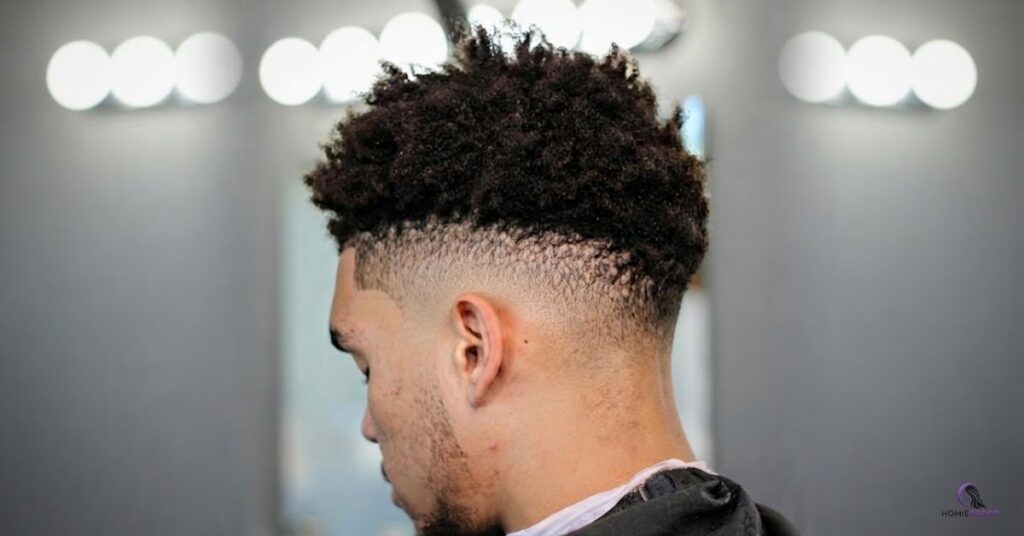
The Mid curly burst fade provides a middle ground between subtle and dramatic. The fade height gives enough contrast to emphasize the curls while preserving a balanced outline.
It works especially well when the hair has moderate density. A barber can adjust the fade transition so the top does not appear disconnected from the sides.
5. High Curly Burst Fade
The High curly burst fade produces a much stronger contrast. The fade rises farther toward the temple area, leaving the curly top visually dominant.
This can be particularly effective for a round face because additional volume on top can create the impression of greater vertical length. Men with very dense hair may also appreciate the amount of bulk removed from the sides.
6. Skin Curly Burst Fade
A skin fade brings the shortest section almost directly down to the scalp. Combined with curls, this creates a high-contrast look that emphasizes the difference between the fade and natural texture.
Because regrowth becomes visible quickly, this option requires more frequent barbershop maintenance. It is best for someone who likes a fresh fade and does not mind regular touch-ups.
7. Taper Curly Burst Fade
A curly taper works beautifully when you want the curved burst effect without taking the surrounding hair extremely short. The taper can preserve more texture near the neckline while the fade arc remains the defining feature.
This version gives a polished appearance without feeling overly aggressive. It is a practical choice for professional environments.
8. Curly Burst Fade Mullet
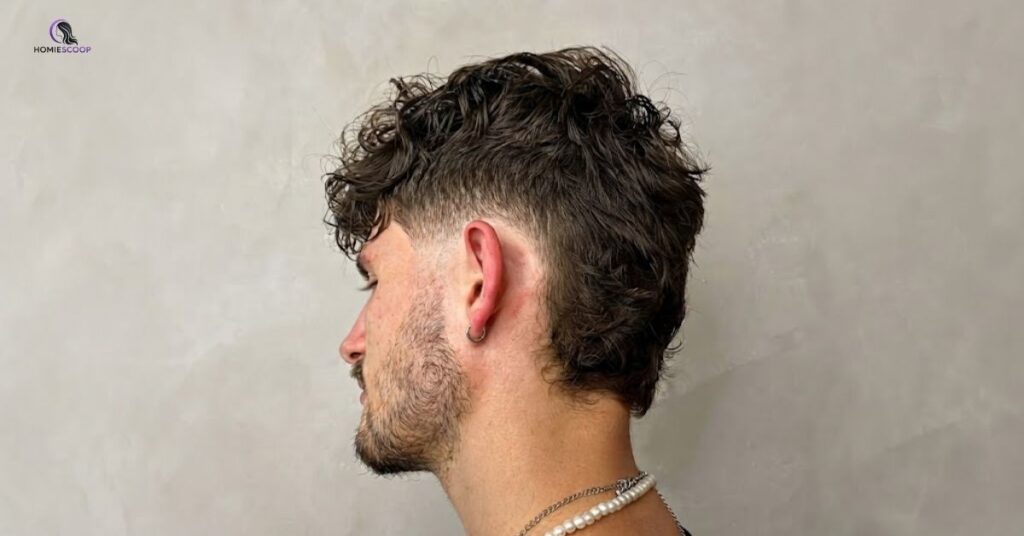
The burst fade naturally supports a mullet because the curved fade creates space around the ears while length remains through the back. Curly texture makes the longer section especially distinctive.
The key is proportion. Too much length can overwhelm a smaller head shape, while moderate length can produce a deliberate, contemporary silhouette.
9. Curly Burst Fade Mohawk
A mohawk-inspired variation concentrates the curly top toward the center. The fade around the ears reinforces the central shape and makes the curls look taller.
This is one of the bolder curly hairstyles for men. It works particularly well when the natural curl pattern has enough spring to create height without excessive product.
10. Curly Burst Fade with Beard
Connecting the haircut with a neatly shaped beard can create a continuous face frame. The barber can coordinate the sideburn and temple transition so the beard does not look visually separated from the haircut.
A moderate beard generally gives the clean fade enough room to remain visible. The result can be a balanced look with strong facial framing.
11. Short Curly Burst Fade
Short curls make this style especially practical. The top can be kept close enough to require little daily maintenance while still retaining visible curl structure.
This is a good choice for men who want a low-maintenance style and prefer a clean-cut appearance. A small amount of leave-in conditioner can keep the short curls comfortable and defined.
12. Long Curly Burst Fade
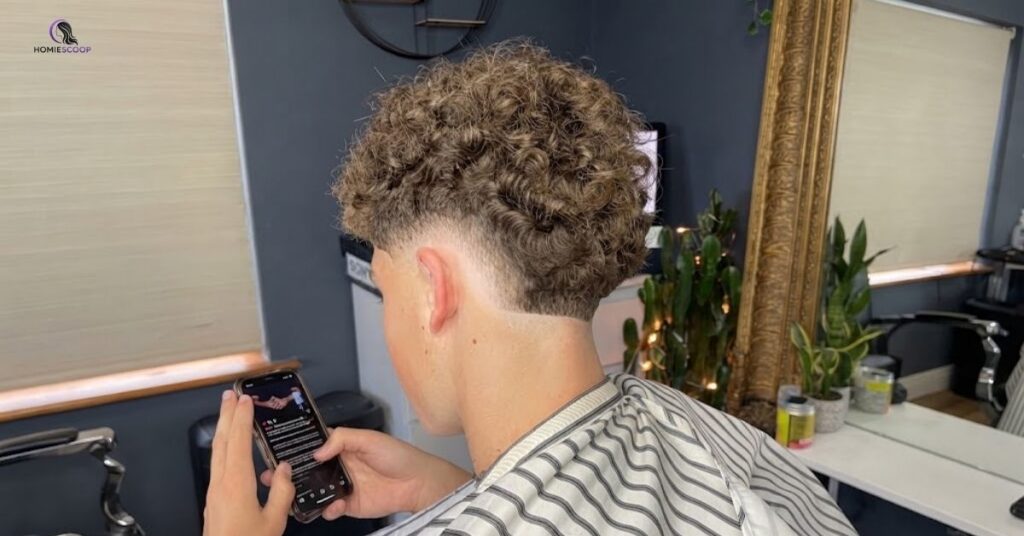
A long curly top produces much more movement and volume. The contrast between longer curls and faded sides makes the hairstyle immediately noticeable.
This version requires more curl care than a short style. Leave-in conditioner, gentle detangling, and controlled drying can help preserve the natural texture.
13. Curly Burst Fade with Fringe
A curly fringe brings some of the top forward over the forehead. It can soften the face frame and create a youthful, relaxed appearance.
The fringe should be shaped according to shrinkage. Cutting it too short while wet can leave less length than expected once the curls fully contract.
14. Curly Burst Fade with Textured Top
A textured top emphasizes separation rather than perfectly uniform curl definition. The goal is controlled movement that looks intentional without appearing overly groomed.
This works especially well with medium-density textured hair. A matte styling product can provide a textured finish while maintaining natural volume.
15. Messy Curly Burst Fade
The messy version deliberately keeps some irregularity through the top. The sides remain controlled while the curls are allowed to move naturally.
This is a good everyday hairstyle for someone who prefers a relaxed appearance. Finger styling can preserve the curl shape better than aggressive brushing.
16. Curly Burst Fade with Design
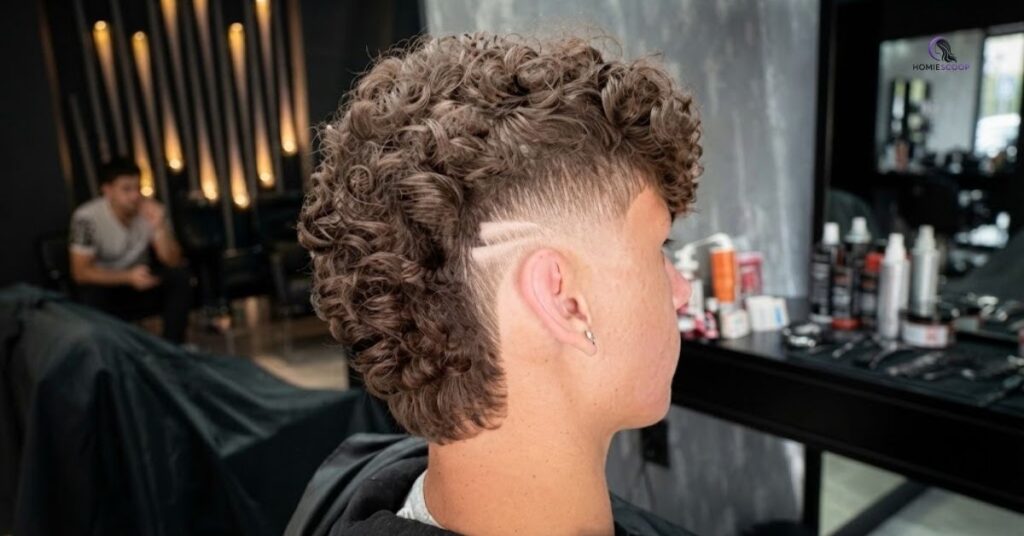
A barber can add a line or geometric detail within the faded area. Because the surrounding hair is already short, the design becomes clearly visible without competing with the curly top.
Choose a simple design if you want longer wear between appointments. Intricate designs require more frequent barber fade maintenance.
17. Curly Burst Fade with Line Up
A crisp hairline can make the entire haircut appear sharper. The clean edge contrasts with the softer texture of the curls.
This option suits men who enjoy a groomed finish. However, the line should follow the natural hairline rather than forcing an artificial shape.
18. Curly Burst Fade with Side Part
A side part introduces a more structured element to a naturally textured haircut. The top can be directed toward one side while the fade provides definition around the ear.
It is a useful choice when you want a curly haircut that can move between casual and professional settings.
19. Curly Burst Fade Afro
An afro-inspired top provides substantial natural volume. The rounded shape of the hair can complement the curved fade around the ear.
The barber should preserve the desired silhouette rather than simply removing as much bulk as possible. Curl shaping is especially important when density is high.
20. Curly Burst Fade for Black Men
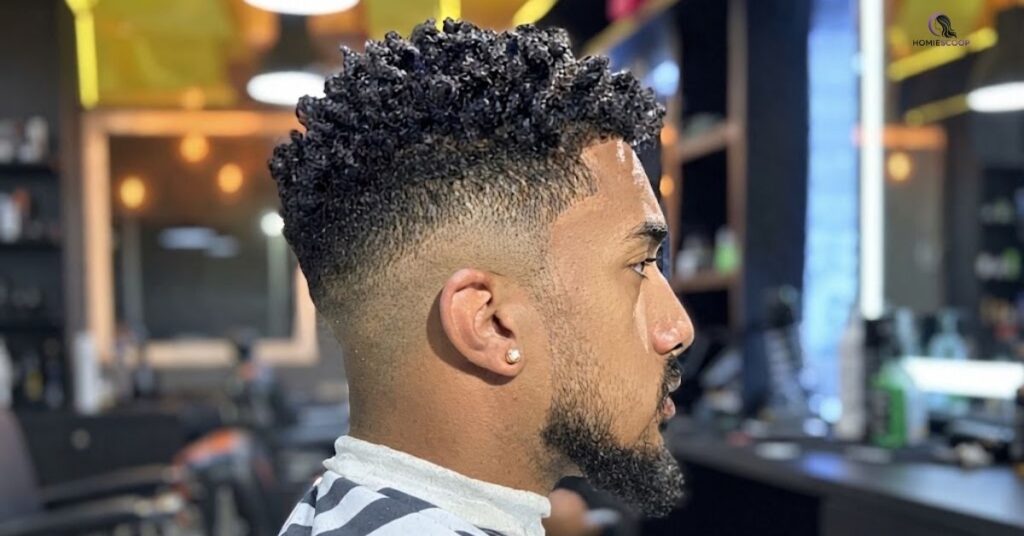
This variation works particularly well with tightly coiled natural texture. The fade creates clean structure while the top celebrates the natural curl pattern.
Moisture and gentle handling are important for maintaining the hair. A leave-in conditioner can help support curl definition and reduce unnecessary dryness.
21. Curly Burst Fade for Teenagers
A teenager-friendly version can use a medium fade height and manageable top length. It gives a fashionable appearance without demanding a complicated styling routine.
For school or everyday wear, a natural finish is usually easier than a heavily sculpted style. The haircut can also grow into a slightly longer version between appointments.
22. Curly Burst Fade for Thick Hair
Thick curly hair can create impressive natural volume, but excessive side bulk can make the silhouette look wider than intended. The burst fade removes some of that weight while retaining fullness through the top.
A barber should assess hair density before deciding on fade height. The goal is balance rather than simply creating the shortest possible sides.
23. Curly Burst Fade for Thin Hair
Men with finer curls can still wear this style successfully. Keeping enough top length to create the appearance of density is often more useful than taking the sides excessively high.
A lightweight styling product can encourage curl definition without weighing the hair down. Avoid heavy products that flatten fine natural texture.
24. Tight Curly Burst Fade
Tight curls create a compact silhouette that works naturally with a clean fade. The barber can leave a short but visible layer of curls above the fade.
This version can be particularly sharp when the fade transition is carefully blended. Moisture-focused curl care helps prevent the top from looking dry.
25. Loose Curly Burst Fade
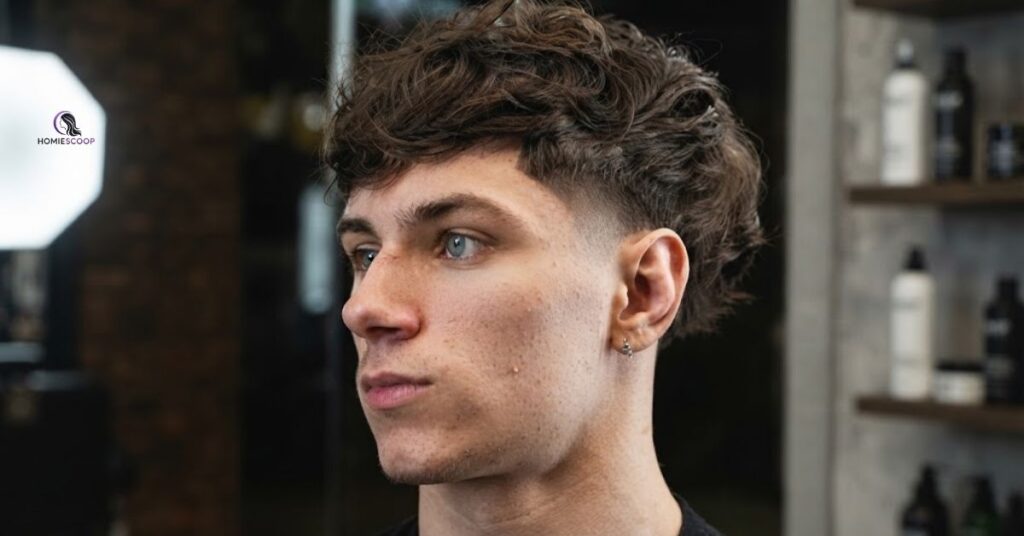
Loose curls and wavy curls produce a softer interpretation. The top can be left longer so the hair forms relaxed movement instead of tight ringlets.
A low fade or mid fade usually preserves the casual quality of this style. Lightweight styling products are preferable to heavy waxes.
26. Curly Burst Fade with Highlights
Subtle highlights can emphasize the natural shape of curls by creating additional visual dimension. The color should complement the skin tone and natural hair base.
Because chemical processing can affect hair texture, hydration becomes especially important. Regular conditioning can help retain softness and curl definition.
27. Curly Burst Fade with Blonde Curls
Blonde curls against darker faded sides create substantial contrast. The color can make individual curl groups more noticeable and give the haircut a fashion-forward character.
Bleached hair requires additional care. A nourishing conditioner and gentle styling routine can help reduce dryness and breakage.
28. Curly Burst Fade Undercut
An undercut creates a stronger separation between the top and sides. The curly top appears almost disconnected from the faded section, producing a dramatic side-to-top contrast.
This works best when the wearer intentionally wants a bold look. It is less subtle than a conventional fade blend.
29. Curly Burst Fade Faux Hawk
A faux hawk directs the curly top toward the center without requiring a full mohawk. The burst fade supports the central ridge while maintaining more versatility.
Medium-length curls often provide enough height for this shape. A flexible styling product can hold the silhouette while preserving natural movement.
30. Curly Burst Fade with Hard Part
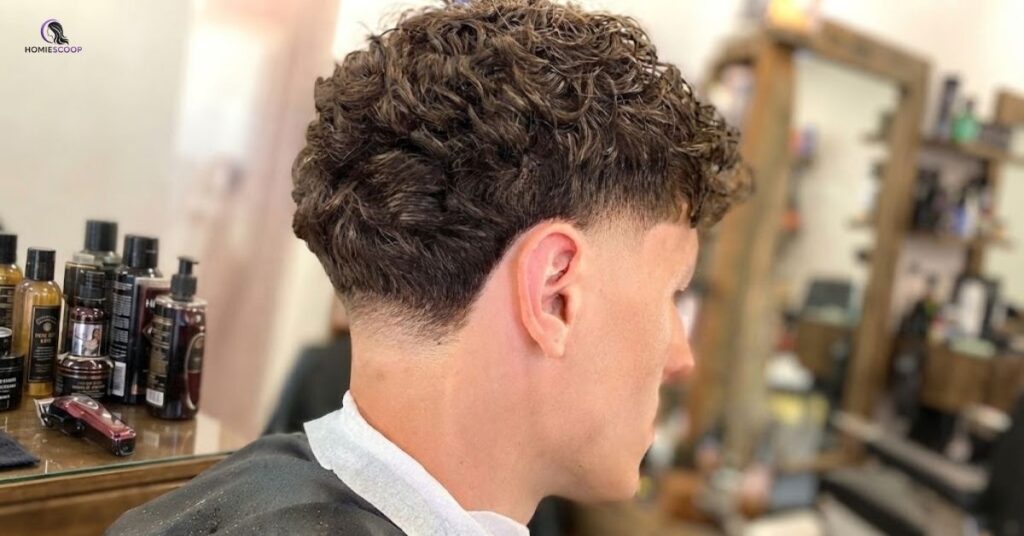
A hard part adds a precise shaved line between sections. Combined with curls, it creates an interesting contrast between organic texture and geometric barber technique.
Regular touch-ups keep the line crisp. The style is particularly effective when the fade blend is equally clean.
31. Curly Burst Fade with Volume
This variation prioritizes height and natural volume. The top is allowed to expand upward and outward while the faded sides keep the overall silhouette controlled.
A diffuser can increase lift without rough handling. Men with dense curls can achieve impressive volume without needing excessive styling product.
32. Curly Burst Fade with Natural Curls
The natural version avoids heavy manipulation. The barber creates the structure through the haircut while the curl pattern determines the final appearance.
This is one of the best options for men who want a natural-looking style. The less the curls are disturbed while drying, the more consistent their natural shape can remain.
33. Curly Burst Fade with Defined Curls
Defined curls create a cleaner, more polished appearance. Curl cream or another lightweight styling product can separate individual curl groups.
This version works well for events, photographs, and occasions where a groomed finish is preferred. The goal is definition without making the hair stiff.
34. Temple Curly Burst Fade
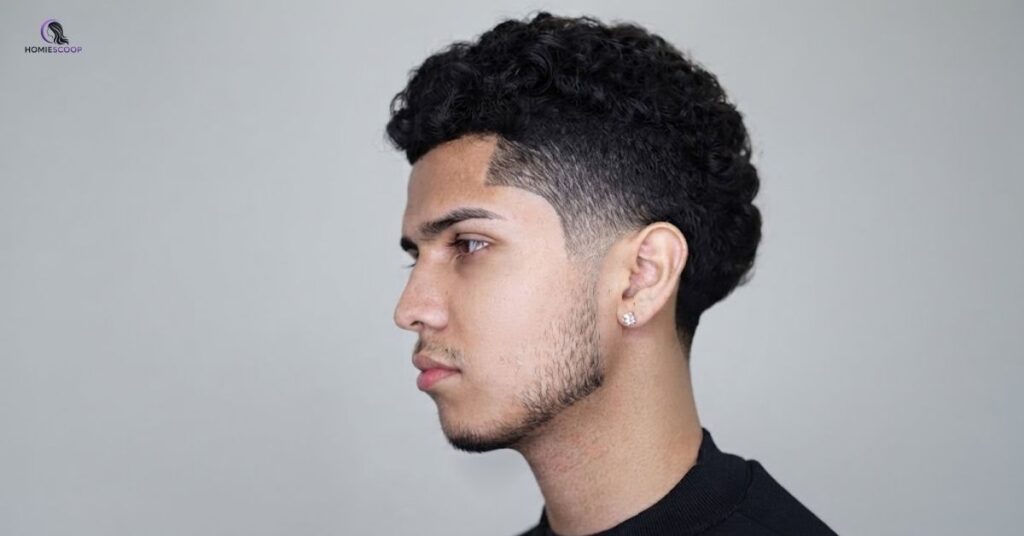
Here the temple area receives special attention. The fade arc is carefully shaped so that the curved section becomes an intentional part of the face frame.
This is useful for men who appreciate barbering detail. A clean temple transition can make an otherwise simple haircut look considerably more refined.
35. Curly Burst Fade with Curly Top
This straightforward version lets the curls remain the star. The top keeps natural volume while the sides and area around the ear receive the structured fade.
It is one of the most adaptable men’s hairstyles because it does not depend on elaborate styling. The final shape comes primarily from the relationship between the curly top and fade sides.
36. Curly Burst Fade Haircut men
For men wanting a straightforward, wearable option, keep the top at medium length and choose a moderate fade height. This creates enough contrast to make the style recognizable without making it excessively dramatic.
The best result comes from matching the cut to hair texture rather than copying another person’s exact proportions. A barber consultation can determine how much length the curl pattern needs.
37. Low burst fade curly hair
Low placement works especially well when you want to preserve fullness around the side of the head. It is also useful when the natural curl volume is already substantial.
The lower fade can create a softer face frame and a more conservative overall silhouette. This makes it a practical choice for work, school, or everyday wear.
38. Curly burst fade haircut straight hair
Straight hair can technically use the same curved fade structure, but it will not produce the same textured appearance as naturally curly hair. The defining difference comes from what remains above the fade.
With straight hair, the top may need texturizing or a different styling approach to create movement. The haircut structure remains recognizable, but the visual effect changes significantly.
39. Mid burst fade curly hair
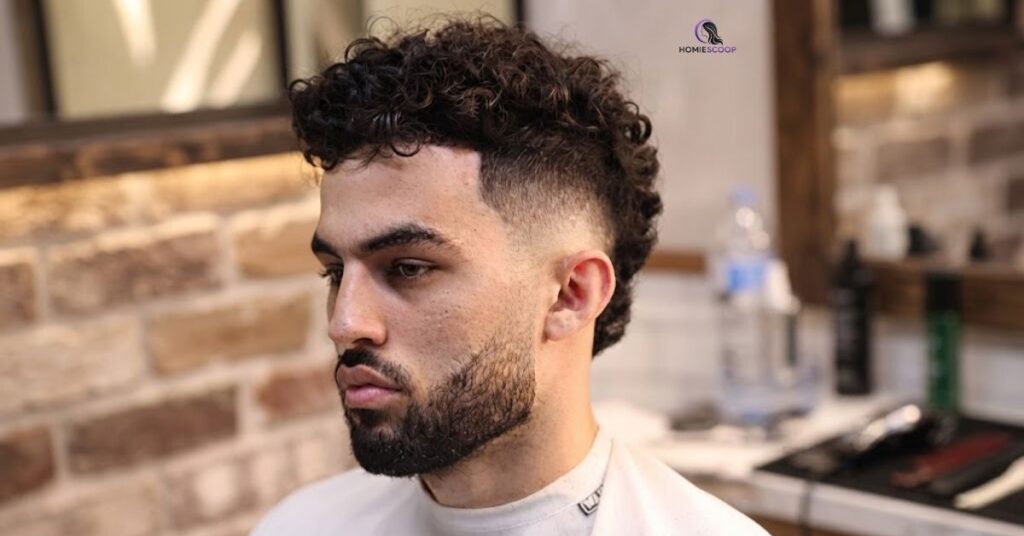
A mid placement offers a balanced amount of contrast for many curl patterns. It leaves enough surrounding hair to soften the transition while still making the fade visible.
This can be particularly effective for medium-density curls. The barber can adjust the height slightly depending on head shape and how much the curls shrink when dry.
40. Burst fade mullet
A burst fade mullet keeps the sides controlled while allowing the back to remain noticeably longer. Curly texture gives the rear section movement and helps distinguish it from a conventional mullet.
The strongest versions keep the front and top coordinated with the longer back. Good haircut design prevents the different lengths from looking accidental.
How to Ask Your Barber for a Curly Burst Fade
A successful barber consultation should cover four things: fade height, top length, curl behavior, and desired finish. Bring reference photographs that resemble your own curl type rather than choosing an image only because the model looks good.
Tell your barber whether you prefer a low, mid, or high fade. Explain whether you want natural volume, defined curls, a textured finish, or a more groomed appearance. Mention how much time you normally want to spend on daily styling.
1. Show Reference Photos
Reference photographs make communication easier because terms such as “medium” or “high” can mean different things to different people. Choose images that show the side, front, and top whenever possible.
Point out the exact feature you like: the fade arc, top length, curly volume, hairline, or overall face framing. This gives the barber a practical starting point for customization.
2. Choose the Right Fade Height
A low burst fade keeps the arc close to the ear. A mid burst fade rises farther into the sides, while a high burst fade creates the strongest contrast.
Your curl type determines how noticeable each option becomes. Tight coils may retain a compact appearance at a higher fade, while loose curls can create a softer transition with lower placement.
3. Discuss Curl Length on Top
Top length should be discussed with shrinkage in mind. Curly hair can appear substantially shorter once completely dry, so your barber should understand how your curls behave.
Ask whether the top should be rounded, layered, tapered, or left mostly natural. Hair length and volume should support your face shape rather than simply follow a trend.
Read More: Low Burst Fade Haircut: 30 Styles for Every Hair Type in 2026
Step-by-Step Curly Burst Fade Haircut Tutorial
A professional haircut typically begins by assessing the natural curl pattern and then establishing the fade shape. The exact cutting technique varies according to hair density, curl type, and the desired result.
Step 1: Start with Clean Curly Hair
Clean hair gives the barber a better view of the natural texture. The barber can observe curl direction, shrinkage, density, and uneven areas before removing length.
Some curly hair is easier to evaluate dry because the final curl shape is visible. Others can be lightly dampened when the barber needs more control during shaping.
Step 2: Create the Burst Fade Around the Ear
The barber establishes the curved fade around the ear rather than following a straight horizontal line. The shortest section is placed near the ear and gradually becomes longer.
This is the defining cutting technique behind the burst effect. The curve should look intentional from the front, side, and rear views.
Step 3: Blend the Fade Smoothly
Blending removes harsh differences between clipper lengths. The barber gradually connects the shortest area to the longer hair surrounding it.
A clean fade transition is particularly important with curly hair because the texture can make uneven blending more noticeable. Careful clipper work produces a smoother silhouette.
Step 4: Shape and Define the Curls
After the sides are established, the barber shapes the curly top. Excess weight can be removed strategically without destroying the curl pattern.
Scissors are often useful for curl shaping because they allow the barber to make more controlled hair length adjustments. The objective is a proportional haircut rather than a uniform reduction.
Step 5: Apply Styling Products
A small amount of curl cream, leave-in conditioner, or another styling product can enhance definition. The chosen product should match the desired finish.
A matte styling product can be useful when texture is the priority. A lighter formula is generally preferable when the hair is fine or easily weighed down.
Best Face Shapes for a Curly Burst Fade
Face shape compatibility depends on the relationship between the sides, top, and overall head shape. The same fade height can produce very different results on different facial structures.
Oval Face Shape
An oval face offers considerable flexibility. Low, mid, and high fade placement can all work if the top length is proportionate.
The key is maintaining balance rather than adding unnecessary height. Natural volume and moderate curl definition can create a polished appearance without requiring dramatic styling.
Round Face Shape
A round face often benefits from additional volume on top and less width at the sides. A higher fade can visually lengthen the overall silhouette.
Avoid excessive side bulk if your goal is a more elongated appearance. A structured haircut with controlled curls can create a stronger vertical face-framing effect.
Square Face Shape
A square face already has strong angles, so textured curls can provide visual softness. A medium fade height often maintains enough side structure without making the haircut appear too severe.
Moderate curl volume can complement the jawline. The finished look should retain balance between the strong facial structure and softer natural texture.
Diamond Face Shape
A diamond face typically has prominent cheekbones with narrower areas above and below them. A lower fade can avoid adding unnecessary width near the cheek area.
Moderate top volume can create a more proportional shape. The barber should consider both facial structure and head shape when deciding fade placement.
Best Hair Types for a Curly Burst Fade
The haircut works across many textures because the fade can be customized while the top retains its natural character. However, curl pattern, hair density, and shrinkage should always be considered.
Tight Curly Hair
Tight curls create strong definition and can make the fade appear especially crisp. Keeping the top moderately short can create an easy daily styling routine.
Curl care remains important because dryness and frizz can obscure definition. Moisture-focused products can support the natural texture without making the hair greasy.
Loose Curly Hair
Loose curls and wavy curls create a softer effect. More top length can help the hair form a relaxed shape while the fade supplies structure.
A low or mid placement often works well because it preserves a gradual visual transition. Lightweight styling products can enhance movement without reducing volume.
Coily Hair
Coily hair can produce substantial shrinkage, so the barber should evaluate the dry curl shape before making major length decisions. A carefully positioned fade can remove side bulk while preserving the natural top.
4C hair can look especially striking when the top retains its natural texture. Curl-friendly styling and gentle handling help maintain the desired silhouette.
Thick Curly Hair
Thick hair benefits from strategic weight removal. Instead of thinning everything aggressively, the barber can reduce bulk around the sides and keep fullness where it improves the shape.
The result can be a balanced look with structured sides and natural volume. Hair density should determine how much weight is removed.
How to Style a Curly Burst Fade Haircut
Good styling begins with moisture and ends with minimal manipulation. The objective is to enhance natural curls rather than force them into an unrelated shape.
Use a Curl Cream
A light curl cream can improve curl definition while maintaining soft texture. Apply a modest amount to damp hair and distribute it through the top.
Too much product can flatten natural volume. Start small and add more only if the curls need additional control.
Apply a Leave-In Conditioner
Leave-in conditioner can provide moisture and make curls easier to manage. It is particularly helpful for tight curls and coily hair that tend to feel dry.
Use it before heavier styling products. The amount should reflect hair density and length rather than following a fixed measurement.
Diffuse for Extra Volume
A diffuser can help preserve the curl shape while adding lift. Low or moderate heat is usually preferable when the goal is minimizing unnecessary stress on the hair.
Avoid constantly moving the diffuser through the curls. Gentle drying helps maintain curl clumps and reduces frizz.
Maintain Curl Definition
Once curls are arranged, avoid repeatedly touching them as they dry. Excess manipulation can break apart curl groups and create frizz.
For daily styling, lightly dampen the hair and reactivate the existing shape instead of rebuilding the entire hairstyle. This approach makes daily maintenance faster.
How to Maintain a Curly Burst Fade
Maintenance has two separate parts: keeping the fade clean and keeping the curls healthy. The fade usually needs attention sooner because regrowth changes the clarity of the arc.
Trim Every 2–4 Weeks
A fresh fade is easiest to maintain when appointments are consistent. The exact schedule depends on how quickly your hair grows and how sharp you want the sides.
Someone who prefers a softer look can wait longer. Someone who wants a consistently clean fade may prefer more frequent barbershop visits.
Keep Curls Hydrated
Curly hair often benefits from regular conditioning because its structure can make moisture distribution more challenging. A suitable conditioner and gentle washing routine can support softness.
Curl definition usually improves when the hair is adequately moisturized. Avoid excessive manipulation when the hair is dry.
Avoid Excessive Heat Styling
High heat can affect the feel and appearance of textured hair. When using a diffuser, moderate heat and airflow are generally preferable to prolonged high-temperature drying.
Air drying can be an excellent alternative when time permits. The goal is to maintain natural texture rather than constantly reshape it with heat.
Use Sulfate-Free Hair Products
Some people with curly hair prefer sulfate-free cleansing products because they can feel less drying. The best choice depends on scalp needs, product buildup, and personal preference.
Regardless of the shampoo selected, avoid cleansing so aggressively that the hair becomes uncomfortable or excessively dry. Follow with suitable conditioning.
Curly Burst Fade vs Other Popular Fade Haircuts
Different fade designs change how the top and sides interact. Choosing between them should depend on hair texture, preferred contrast, face shape, and maintenance expectations.
Curly Burst Fade vs Taper Fade
A burst fade focuses on a curved section around the ear, while a taper gradually reduces length in more limited areas. The burst design usually creates more visible side-to-top contrast.
| Feature | Curly Burst Fade | Taper Fade |
| Shape | Curved around the ear | More gradual around edges |
| Contrast | Moderate to strong | Subtle |
| Top | Works well with curls | Works with many textures |
| Appearance | Modern and distinctive | Classic and understated |
| Maintenance | Regular fade upkeep | Often easier between cuts |
| Best use | Textured, expressive styles | Conservative, professional styles |
Curly Burst Fade vs Drop Fade
A drop fade follows the head downward behind the ear, whereas a burst fade concentrates its curve around the ear. Both can complement textured hair, but their silhouettes are different.
| Feature | Curly Burst Fade | Drop Fade |
| Main curve | Around the ear | Down behind the ear |
| Visual focus | Ear and curly top | Overall head shape |
| Contrast | Stronger around ear | More continuous |
| Best pairing | Curls, mullets, mohawks | Crops, curls, waves |
| Maintenance | Moderate | Moderate |
| Overall effect | Bold and rounded | Smooth and flowing |
Curly Burst Fade vs Mohawk Fade
A burst fade can support a mohawk-like shape without committing completely to the traditional mohawk. The curly top remains the central visual element.
| Feature | Curly Burst Fade | Mohawk Fade |
| Top shape | Flexible | Central strip |
| Styling freedom | High | More specialized |
| Everyday use | Very adaptable | More dramatic |
| Curl compatibility | Excellent | Excellent for strong curls |
| Appearance | Contemporary | Edgy |
| Volume | Across top | Concentrated centrally |
Curly Burst Fade vs Skin Fade
A skin fade takes the sides down extremely short, while the burst structure determines where that shortest area is placed. Combining the two creates maximum contrast.
| Feature | Curly Burst Fade | Skin Fade |
| Shape | Curved around ear | Can follow several shapes |
| Shortest area | Depends on fade height | Usually reaches skin |
| Contrast | Variable | Very high |
| Maintenance | Moderate | High |
| Best pairing | Curly top | Short or textured tops |
| Overall feel | Textured and modern | Sharp and dramatic |
Curly Burst Fade vs High Burst Fade
These are not always separate categories. A curly burst fade can itself be low, mid, or high. The high version simply moves the fade placement upward.
| Feature | Curly Burst Fade | High Burst Fade |
| Fade position | Variable | Higher |
| Curl emphasis | Variable | Strong |
| Side coverage | Depends on height | Less |
| Face impact | Adjustable | More dramatic |
| Styling | Flexible | Usually higher contrast |
| Best for | Many face shapes | Those wanting a bold silhouette |
Best Products for Styling a Curly Burst Fade
The right hair products should support the curl pattern rather than overwhelm it. Product choice should reflect hair density, length, porosity, and desired finish.
Curl Creams
Curl cream is useful when you want softness, curl definition, and moderate frizz control. A light formula is often enough for loose curls, while denser hair may need a richer product.
Apply it to damp hair and distribute it evenly. Avoid coating the scalp unnecessarily.
Leave-In Conditioners
A leave-in conditioner can make textured hair feel softer and easier to shape. It is particularly useful when the top has enough length to become dry or tangled.
Use a small amount and adjust according to hair density. Too much can reduce natural volume.
Curl Defining Mousses
Mousse can provide lightweight support without the heaviness associated with some waxes and pomades. It works well when you want movement with moderate hold.
Scrunch it into damp curls and allow the hair to dry naturally or with a diffuser. A small amount is usually sufficient.
Hair Diffusers
A diffuser spreads airflow across the curls instead of concentrating it in one area. This can help retain curl shape while adding volume.
Use moderate heat and avoid rough movement. The less the curls are disturbed during drying, the more consistent the final texture can be.
Mistakes That Ruin a Curly Burst Fade
- Waiting too long between fade appointments can make the curved shape disappear.
- Cutting curly hair without considering shrinkage can leave the top much shorter than expected.
- Using excessive product can flatten natural volume.
- Brushing dry curls aggressively can increase frizz and disturb curl definition.
- Removing too much side weight can create an unbalanced top-heavy silhouette.
- Choosing fade height without considering face shape can make proportions less flattering.
- Copying a haircut designed for a different curl type may produce unexpected results.
- Ignoring hair density can make the finished haircut appear either too bulky or too sparse.
- Overusing heat can make textured hair feel rough and less manageable.
- Treating every curl pattern the same can undermine the benefits of a customized fade.
FAQs
Is a burst fade good for curly hair?
Yes. A burst fade can be an excellent choice for curly hair because the curved sides create structure while the top retains natural texture. The most important factors are fade placement, curl pattern, hair density, and top length.
Is a burst fade just a mullet?
No. A burst fade is a fade design rather than a specific top or back style. It can be combined with a mullet, mohawk, curly top, short curls, or many other hairstyles.
What is the best burst fade?
There is no single best option for everyone. A low burst fade tends to be subtle, a mid burst fade provides balanced contrast, and a high burst fade produces a more dramatic appearance. The best choice depends on curl type, face shape, head shape, and preferred maintenance level.
What fade is best for curly hair?
A burst fade is one strong option, but low fades, mid fades, tapers, and other fade designs can also work. The best fade is the one that complements the curl pattern and maintains a balanced relationship between the top, sides, and face.
What is the curly taper fade?
A curly taper fade gradually reduces hair around selected edge areas while keeping more length than a more aggressive fade. It can provide a clean appearance while preserving substantial curly texture and natural volume.
Conclusion
The strongest version of this haircut is not necessarily the most dramatic one. It is the version that matches your curl pattern, natural volume, face shape, and preferred maintenance routine while giving the barber enough room to create a clean fade transition.
Whether you choose a low, mid, high, short, long, natural, defined, textured, or mullet-inspired variation, communicate your desired hair length and finish clearly. A good reference photo plus an honest barber consultation can make the difference between an ordinary cut and a genuinely tailored style.
